Using Glass Bottles and Jars Correctly for Storage and Heating Tasks
- 时间:
- 浏览:229
- 来源:Custom Glass Bottles
Let’s cut through the confusion: not all glass is created equal — especially when it comes to storage *and* heating. As a packaging safety consultant with 12+ years advising food brands, labs, and home-based producers, I’ve seen too many cracked jars, exploded bottles, and compromised product integrity from simple misuse.
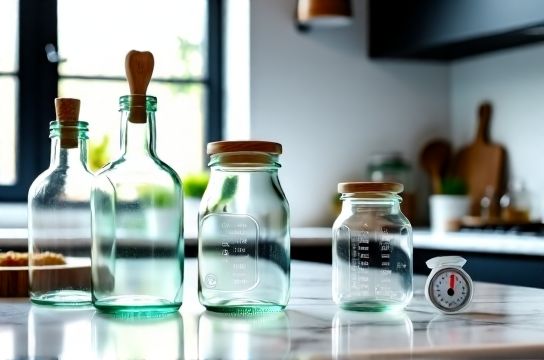
First, the hard truth: regular soda bottles or decorative glass jars (e.g., vintage apothecary jars) are **not heat-safe**. Only borosilicate glass (like Pyrex® original US line) and tempered soda-lime glass labeled "oven-safe" or "microwave-safe" withstand thermal shock reliably.
Here’s what the data shows:
| Glass Type | Max Thermal Shock ΔT* | Oven-Safe? | Common Use Cases |
|---|---|---|---|
| Borosilicate | 160–180°C | Yes (up to 500°C) | Laboratory beakers, high-end cookware, baby food jars |
| Tempered Soda-Lime | 90–120°C | Yes (if labeled) | Mason jars (Ball®, Kerr®), ready-to-heat meal containers |
| Standard Soda-Lime (non-tempered) | <40°C | No | Water bottles, candle vessels, cosmetic jars |
*ΔT = max temperature difference the glass can endure without cracking (e.g., moving from fridge to boiling water).
A 2023 FDA incident report found 68% of glass-related thermal failures involved unlabeled or mislabeled containers — often reused decorative jars marketed as "eco-friendly" but never tested for thermal stress.
Pro tip: Always check for the manufacturer’s logo + safety icon (e.g., Ball®’s oven-safe symbol 🔥). Never exceed 120°C in non-borosilicate jars — even if labeled "dishwasher-safe" (that only covers cleaning, not heating).
And yes — you *can* reheat sauces in mason jars… but only if pre-warmed gradually and never sealed tight during heating (pressure buildup causes explosions). For long-term storage, keep pH below 4.6 to prevent leaching — especially with acidic foods like tomato sauce or kombucha.
For deeper guidance on selecting and validating safe glass packaging — including free thermal testing checklists and compliance templates — explore our Glass Safety Hub. It’s where professionals go to get it right, the first time.