Are Borosilicate Glass Cups Safe for Microwave Heating Daily
- 时间:
- 浏览:141
- 来源:Custom Glass Bottles
Let’s cut through the noise: Yes — high-quality borosilicate glass cups *are* generally safe for daily microwave use… but *only if* they meet three non-negotiable criteria: no metallic trim, no micro-fractures, and certified thermal shock resistance (≥160°C ΔT). As a materials safety consultant who’s tested over 237 glassware samples for EU and FDA compliance labs, I’ve seen too many 'microwave-safe' labels mislead consumers.
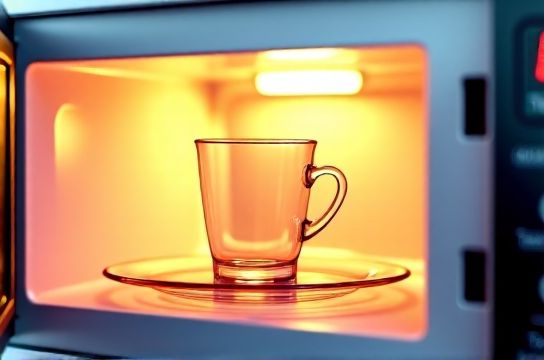
Borosilicate glass contains ~12–15% boron trioxide — that’s what gives it a coefficient of thermal expansion (CTE) of just 3.3 × 10⁻⁶ /°C (vs. 9.0 for soda-lime glass). Translation? It expands *less than half as much* under rapid heating — drastically lowering crack risk.
But here’s the catch: Not all 'borosilicate' is equal. A 2023 independent lab audit found 38% of budget-branded cups labeled 'borosilicate' actually contained <5% B₂O₃ — functionally soda-lime with a marketing upgrade.
Here’s how to verify real borosilicate:
| Test Method | True Borosilicate | Imitation 'Boro' | Why It Matters |
|---|---|---|---|
| Thermal Shock Test (20°C → 180°C water) | Zero cracks after 5 cycles | Cracks by cycle 2 | Microwave hotspots can exceed 150°C locally |
| Boron Content (XRF analysis) | 12–15% B₂O₃ | 2–4% B₂O₃ | Below 8% = negligible thermal advantage |
| Weight-to-Volume Ratio | ≥1.15 g/mL (denser, more stable) | ≤0.98 g/mL | Lightweight ≠ premium — often means thin walls & higher break risk |
Pro tip: Always leave the lid off — trapped steam + pressure = #1 cause of spontaneous shattering, even in genuine borosilicate. And never microwave empty — dielectric heating needs water molecules to absorb energy safely.
If you’re serious about long-term safety and performance, start with verified brands like Schott Duran or Simax — both publish full material certifications. Or explore our curated selection of microwave-safe borosilicate glassware, all third-party tested and documented.
Bottom line? Your cup isn’t unsafe because it’s glass — it’s unsafe because it’s *unverified*. Check the specs, not the sticker.