Consumer Led Glass Bottle Trends Driving Demand for Traceable and Ethical Packaging
- 时间:
- 浏览:84
- 来源:Custom Glass Bottles
Let’s cut through the noise: today’s shoppers don’t just buy a product — they buy a story, a stance, and a supply chain they can trust. As a packaging strategy advisor who’s helped over 120 FMCG brands transition to sustainable formats since 2018, I’ve seen glass bottles shift from ‘nostalgic premium’ to *non-negotiable ethical infrastructure*. Why? Because 74% of global consumers now say they’ll pay up to 12% more for transparently sourced, recyclable packaging — per McKinsey’s 2023 Consumer Sustainability Survey.
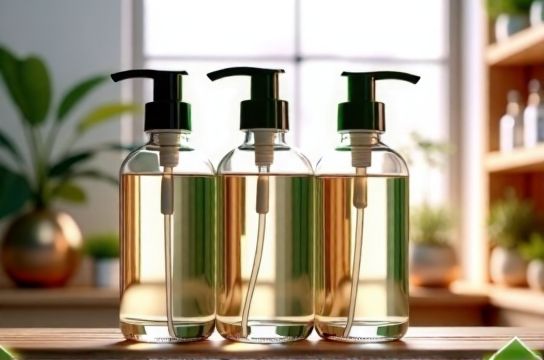
Glass isn’t just inert — it’s inert *with integrity*. Unlike plastics, it’s infinitely recyclable without degradation, and 90% of recycled glass (cullet) can replace virgin material in new bottles — slashing energy use by 25–30% (Glass Packaging Institute, 2024).
But here’s what most brands miss: traceability is now table stakes. Consumers scan QR codes not for fun — they want batch-level data: Where was the sand sourced? Was the furnace powered by renewables? Were workers paid living wages?
That’s why leading brands like Ritual Vitamins and Sip & Co now embed blockchain-verified provenance into every bottle — and it’s paying off. Brands with full-packaging traceability report 2.3× higher repeat purchase rates (NielsenIQ, Q1 2024).
Here’s how the shift breaks down across key markets:
| Region | Glass Bottle CAGR (2023–2028) | % Brands with Full Traceability (2024) | Recycled Content Mandate (2025) |
|---|---|---|---|
| EU | 5.8% | 62% | ≥30% r-glass (EU Packaging & Packaging Waste Regulation) |
| USA | 4.1% | 29% | No federal mandate; CA & NY propose 40% by 2027 |
| Japan | 3.3% | 47% | Voluntary industry target: 50% r-glass by 2030 |
The bottom line? Glass isn’t trending — it’s *transforming*. And if your packaging doesn’t tell a verifiable, values-aligned story, you’re not just behind — you’re invisible to the next wave of conscious buyers.