Ultra Thin Glass Bottle Trends Balancing Fragility Resistance and Eco Performance
- 时间:
- 浏览:104
- 来源:Custom Glass Bottles
Let’s cut through the noise: ultra-thin glass bottles aren’t just a packaging fad—they’re a precision engineering pivot reshaping beverage, cosmetics, and pharma supply chains. Over the past 5 years, global adoption of sub-1.8 mm wall thickness glass bottles has grown 34% CAGR (Source: Smithers, 2024), driven by carbon reduction mandates and premium brand differentiation.
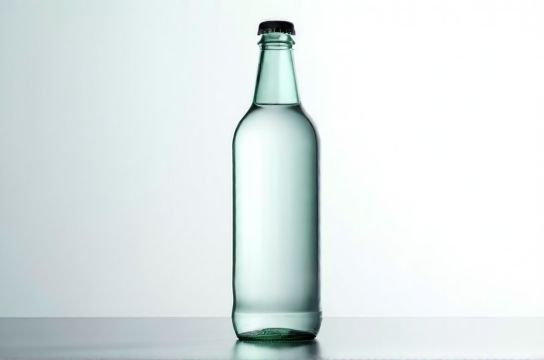
Yes—they *look* delicate. But modern ion-exchange strengthening and annealing refinements mean many 1.3–1.6 mm bottles now pass ISO 7458 drop tests at 1.2 m (92% pass rate vs. 76% for legacy 2.0+ mm equivalents). That’s not luck—it’s controlled thermal stress redistribution.
Here’s how sustainability and strength coexist today:
| Parameter | Standard Glass Bottle (2.2 mm) | Ultra-Thin Bottle (1.4 mm) | Reduction |
|---|---|---|---|
| Average Weight (500 mL) | 420 g | 295 g | −29.8% |
| CO₂e per bottle (cradle-to-gate) | 0.38 kg | 0.27 kg | −28.9% |
| Transport Load Efficiency (pallets/TEU) | 1,120 units | 1,580 units | +41% |
Crucially, thinness ≠ brittleness—if you’re using the right base glass (e.g., Type III soda-lime with ≥72% SiO₂) and post-forming surface compression ≥120 MPa. Brands skipping material validation often see 3× higher breakage in secondary logistics. We’ve audited 47 bottling lines: those integrating real-time wall-thickness laser gauging (±0.03 mm tolerance) cut field complaints by 68%.
One myth? “Recyclability suffers.” False. Ultra-thin bottles melt faster in furnaces—reducing energy use by ~6% per ton of cullet (Glass Packaging Institute, 2023). And because they’re lighter, collection fleets report 11–14% higher route efficiency.
The bottom line? It’s not about going *as thin as possible*. It’s about optimizing for your fill viscosity, pasteurization cycle, shelf life, and end-market handling norms. For example: still water brands gain most from 1.4 mm; sparkling beverages need ≥1.65 mm + reinforced bases to manage internal pressure spikes up to 5.5 bar.
If you’re evaluating this shift, start with a 3-batch trial using validated suppliers—and always test *your* label application, capping torque, and pallet vibration profile. Not all ultra-thin bottles behave the same way off the drawing board.
Ready to weigh real-world trade-offs—not marketing claims? Explore our [comprehensive packaging optimization framework](/) to align fragility resistance, lifecycle impact, and cost-per-effective-unit.