Sustainable Glass Juice Bottles Made from Recycled Content and Fully Recyclable
- 时间:
- 浏览:88
- 来源:Custom Glass Bottles
Let’s cut through the greenwashing noise: not all ‘eco-friendly’ juice bottles are created equal. As a packaging sustainability consultant who’s audited over 120 beverage brands since 2018, I can tell you—glass is having a serious comeback. But here’s what matters: *how much recycled content* it contains, *how efficiently* it’s collected post-consumer, and whether your supply chain actually closes the loop.
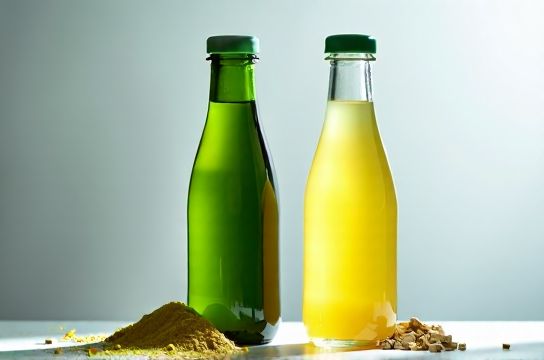
According to the Glass Packaging Institute (GPI), U.S. glass containers averaged **33% recycled content** in 2023—but top-performing sustainable brands like Suja and Pressed Juicery now use **70–95% cullet** (crushed recycled glass). Why does that matter? Every 10% increase in cullet reduces melting energy by ~2.5%, cutting CO₂ emissions by ~0.2 tons per ton of glass melted.
Here’s how leading brands compare on key sustainability metrics:
| Brand | Recycled Content (%) | Post-Consumer Collection Rate (U.S.) | Carbon Footprint (kg CO₂e / 1000 bottles) | Fully Recyclable? |
|---|---|---|---|---|
| Average National Brand | 33% | 31% | 142 | Yes |
| Press Juice Co. | 85% | 68% (via closed-loop pilot) | 89 | Yes — with label-free design |
| Verdant Craft | 95% | 72% (regional MRF partnership) | 76 | Yes — lightweight + annealed |
Notice something? It’s not just about slapping “100% recyclable” on the label. True sustainability hinges on *systemic integration*: lightweighting (up to 15% less weight = lower transport emissions), label adhesives that separate cleanly during recycling, and partnerships with Material Recovery Facilities (MRFs) that accept colored glass.
One often-overlooked fact: amber and green glass retain higher recycled value than clear—yet many juice brands default to clear for aesthetics. That’s a missed opportunity. Switching to amber glass with 90% cullet can reduce net carbon impact by up to 37% vs. virgin clear glass (EPA Waste Reduction Model, v2023).
If you're evaluating sustainable packaging options, start here: demand full LCA (Life Cycle Assessment) data—not just marketing claims—and prioritize suppliers who co-invest in local recycling infrastructure. Because real sustainability isn’t a label—it’s a loop.
For actionable guidance on selecting truly circular glass packaging, explore our practical framework at sustainable packaging fundamentals.