Glass Bottle Sustainability Initiatives Expanding Beyond Recycling to Reuse Models
- 时间:
- 浏览:109
- 来源:Custom Glass Bottles
Let’s cut through the green noise: glass is infinitely recyclable—but only *if* it’s collected, sorted correctly, and doesn’t get contaminated. Yet globally, only **52% of glass packaging is recycled** (OECD, 2023). Worse? Recycling glass consumes ~1,500°C furnace energy—nearly as much as making new glass from raw materials. That’s why forward-thinking brands and municipalities aren’t just doubling down on recycling—they’re pivoting hard to *reuse*. Not ‘one-wash-and-toss’ reuse, but **certified, multi-cycle, returnable systems** with 15–25 uses per bottle.
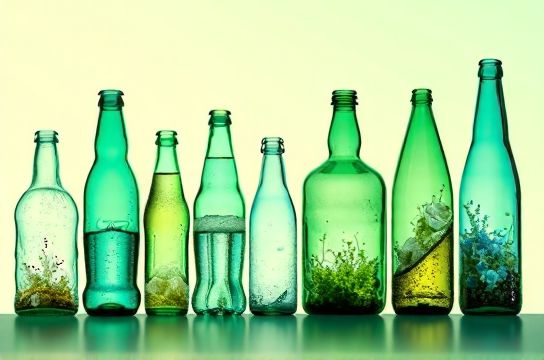
Take Germany’s Pfand system: 98.5% return rate for reusable glass bottles—up from 96.7% in 2019. In contrast, the U.S. averages just 31% glass recycling—and near-zero structured reuse infrastructure. Why the gap? Policy + logistics. The EU’s Single-Use Plastics Directive now mandates reuse targets (10% by 2025, 25% by 2030), while California’s AB 285 (2024) funds pilot return networks for beverage glass.
Here’s how reuse stacks up against recycling—by the numbers:
| Metric | Single-Use Glass (Virgin) | Recycled Glass (1x) | Reusable Glass (15x avg.) |
|---|---|---|---|
| CO₂e per 1,000 units | 1,240 kg | 890 kg | 320 kg |
| Water use (liters) | 18,500 L | 12,100 L | 5,300 L |
| Net cost per unit (USD) | $0.18 | $0.22 | $0.31 (but drops to $0.13 after 20 cycles) |
The kicker? Reuse isn’t just eco-smart—it’s gaining real consumer traction. A 2024 McKinsey survey found 68% of U.S. shoppers aged 25–44 would pay 5–12% more for beverages in returnable glass—especially craft beer, premium water, and organic juice.
Of course, scaling reuse demands investment: smart crates, RFID tracking, regional wash hubs, and seamless consumer incentives. But early adopters like Loop (with Nestlé and PepsiCo) and Belgium’s Refill & Return Network are proving it’s operationally viable—not just aspirational.
Bottom line? Recycling glass is necessary—but insufficient. The real sustainability leap lies in designing for *circularity*, not just end-of-life recovery. And that starts with reimagining the bottle—not as disposable, but as a durable asset.