Beer Bottle Sizes Including Pint and Specialty Craft Options
- 时间:
- 浏览:117
- 来源:Custom Glass Bottles
Let’s cut through the foam: if you’re stocking a bar, launching a craft brand, or just trying to decode that tiny label at the bottle shop — beer packaging sizes *matter*. Not just for shelf appeal, but for freshness, pour consistency, and consumer expectation.
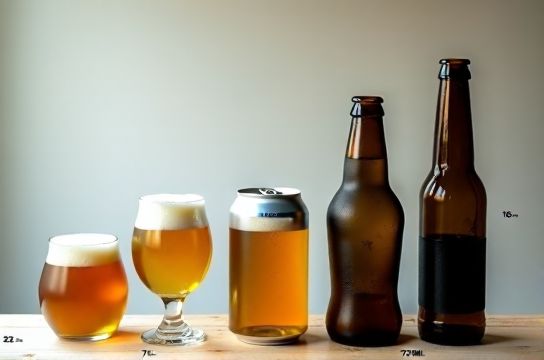
The standard U.S. pint is 16 fl oz (473 mL), but here’s the twist: it’s *not* the same as the imperial pint (20 fl oz / 568 mL) used across the UK and EU. That 25% difference trips up importers, brewers, and even seasoned bartenders.
Below is a quick-reference table of the most common beer bottle sizes in North America — including craft-forward options gaining serious traction:
| Size | Volume (mL) | Volume (fl oz) | Common Use Case | Market Share* (U.S., 2023) |
|---|---|---|---|---|
| 12 oz (Standard) | 355 | 12 | Mass-market lagers, macros | 41% |
| 16 oz (Pint) | 473 | 16 | Craft cans, taproom takeaways | 29% |
| 22 oz (Bomber) | 650 | 22 | Specialty releases, barrel-aged stouts | 12% |
| 750 mL (Wine-Style) | 750 | 25.4 | High-ABV sours, Belgian ales | 8% |
| 1 L (Growler Refill) | 1000 | 33.8 | Local taproom fills, limited runs | 7% |
*Source: Brewers Association Production Survey & NielsenIQ Beverage Alcohol Report, 2023
Notice how the 16 oz pint has surged — up 18% YoY among independent craft breweries. Why? It strikes the sweet spot: enough volume to justify premium pricing, small enough to preserve carbonation and aroma longer than a 22 oz bomber.
And don’t overlook glass vs. aluminum: 83% of craft consumers say they prefer cans for freshness (per 2024 Cicerone Consumer Trust Index), especially for hop-forward IPAs where light exposure degrades oils in under 90 minutes.
If you're scaling production or curating a retail lineup, match format to function. A hazy IPA? Go 16 oz can. A 12% bourbon-barrel quad? 750 mL brown glass, UV-coated, with oxygen-scavenging caps.
For deeper guidance on optimizing your packaging strategy — from compliance labeling to sustainability certifications — check out our beer packaging playbook. It’s free, updated quarterly, and built from real-world brewer interviews and lab-tested shelf-life data.