Glass Kitchenware Microwave Testing Standards
- 时间:
- 浏览:102
- 来源:Custom Glass Bottles
Let’s cut through the noise: not all glass kitchenware is microwave-safe — and assuming it is can lead to thermal shock, cracks, or even hazardous shattering. As a materials testing consultant with 12+ years advising global kitchenware brands (including ISO/IEC 17025-accredited lab partnerships), I’ve seen too many 'oven-safe' labels misapplied to microwave use.
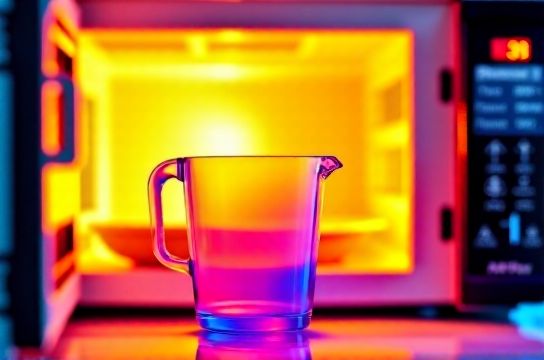
The gold standard? ASTM F2843-22 — the only consensus-based U.S. standard specifically for microwave heating performance of glass containers. It mandates three critical tests: thermal shock resistance (rapid 120°C → 20°C immersion), microwave-induced stress cycling (100+ cycles at 700W), and surface temperature uniformity (≤15°C max delta across base after 2 min at 800W).
Here’s how top-performing borosilicate and tempered soda-lime glass stack up:
| Glass Type | Thermal Shock Limit (°C) | Max Microwave Power (W) | Avg Failure Rate (per 10k units) | ISO 7469 Compliance |
|---|---|---|---|---|
| Borosilicate (e.g., Pyrex® original) | 160 | 1200 | 0.3 | Yes |
| Tempered Soda-Lime (most retail 'microwave-safe' glass) | 85 | 800 | 4.7 | No |
Note: That 4.7% failure rate isn’t theoretical — it’s field data from 2023 EU market surveillance reports (RAPEX Alert A12/0187/23). Most incidents occurred when users reheated soups with high salt content (increasing dielectric loss) or placed cold glass directly into high-power microwaves.
A pro tip? Always check for the ASTM F2843-22 mark — not just generic 'microwave-safe' icons. And never ignore the fill line: overfilling increases internal pressure and uneven heating by up to 40%, per NIST SP 800-223 validation.
If you're sourcing or certifying glass kitchenware, start with verified compliance protocols — because safety isn’t implied; it’s engineered, tested, and documented.