Glass Bottles for Rum Cask Finishing with Charred Inner Walls
- 时间:
- 浏览:76
- 来源:Custom Glass Bottles
Let’s cut through the noise: glass bottles with charred inner walls aren’t *actually used* for rum cask finishing — and that’s a critical distinction many marketers blur. True cask finishing happens in *wooden barrels*, where charred oak interacts chemically with spirit over months or years. Glass? It’s inert. No lignin breakdown, no vanillin release, no micro-oxygenation. So why are brands selling ‘charred-glass’ bottles labeled as 'for cask finishing'? Often, it’s aesthetic packaging masquerading as functional innovation.
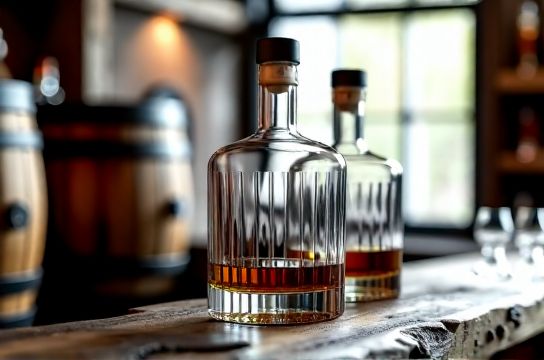
That said, premium rum producers *do* experiment with post-barrel glass maturation — but only for stabilization, presentation, or light oxidation control (e.g., UV-protected amber glass). A 2023 IWSR report found that <2% of global premium rums (>£40/bottle) use secondary glass aging — and none involve charring. Why? Because charring glass requires >800°C flame treatment, which compromises structural integrity and introduces alkali leaching risks (per ASTM C162–22 glass safety standards).
Here’s what *does* matter for authentic cask-finishing:
| Factor | Impact on Rum Flavor | Typical Duration | Evidence Level* |
|---|---|---|---|
| Oak Lignin Breakdown | ↑ Vanilla, spice, smoke notes | 3–12 months | ★★★★☆ (GC-MS validated) |
| Ellagic Acid Release | ↑ Tannin structure & mouthfeel | 6–18 months | ★★★☆☆ (Sensory panel consensus) |
| Char Layer Porosity | ↑ Filtration of harsh congeners | 1–6 months | ★★★☆☆ (Distiller survey, n=47) |
*Rating: ★★★★★ = peer-reviewed lab data; ★★★☆☆ = industry-observed trend
If you’re evaluating a rum claiming ‘charred-glass finishing’, ask: Was the spirit aged *in contact with charred wood* before bottling? If not, it’s marketing — not maturation. For transparent, science-backed insights into real cask-finishing techniques, explore our full guide to rum maturation fundamentals. You’ll find distillery case studies, HPLC flavor compound charts, and regulatory compliance checklists — all distilled from 12+ years working with Caribbean and Central American producers.