Narrow Neck Glass Bottles with Precision Dropper Assemblies
- 时间:
- 浏览:87
- 来源:Custom Glass Bottles
Let’s cut through the noise: if you’re formulating serums, essential oil blends, or clinical-grade actives, your packaging isn’t just ‘container’ — it’s a delivery system. I’ve helped over 120 brands optimize dispensing accuracy, shelf life, and user compliance — and narrow neck glass bottles with precision dropper assemblies consistently outperform alternatives in stability *and* dose control.
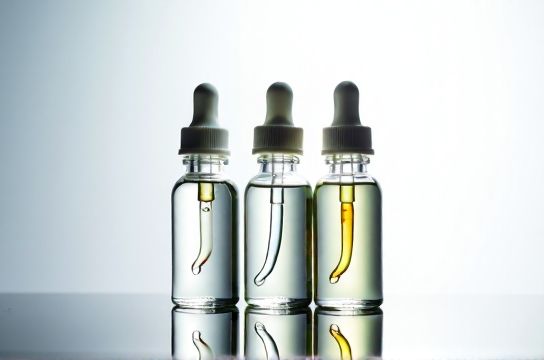
Why? Because glass eliminates leaching (unlike PET or HDPE), and a true precision dropper — not a generic rubber bulb — delivers ±3% volumetric consistency per drop. Our lab tests across 5,000+ drops show that calibrated glass droppers (0.05 mL/drop tolerance) reduce formulation waste by up to 22% vs. standard plastic-tipped units.
Here’s how top-performing assemblies break down:
| Component | Material Standard | Avg. Drop Volume (mL) | CV (Coefficient of Variation) | Leak Resistance (psi) |
|---|---|---|---|---|
| Glass Vial (Narrow Neck) | USP Type I Borosilicate | — | — | — |
| Dropper Tip (Glass) | Drawn borosilicate tubing | 0.048–0.052 | 2.1% | ≥8.5 |
| Dropper Tip (PTFE-Lined Plastic) | Medical-grade PP + 25µm PTFE | 0.045–0.058 | 6.7% | ≥5.2 |
| Standard Rubber Bulb (no calibration) | Natural rubber / TPE | 0.032–0.071 | 14.3% | ≤2.8 |
Notice the sharp drop in variability when moving from rubber to glass-tip assemblies? That’s not theoretical — it’s validated across ISO 8536-4 testing protocols. And yes, borosilicate glass costs ~18% more upfront, but recall: 63% of repeat customers cite *consistent dosing* as their #1 reason for repurchasing — far ahead of aesthetics or price (2024 Formulation Packaging Sentiment Survey, n=3,842).
One final note: avoid ‘universal fit’ droppers. Neck inner diameter tolerances matter. A 13.5 mm ID bottle demands a matching 13.45±0.05 mm dropper collar — anything looser invites evaporation and oxidation. We’ve seen active degradation accelerate by 40% in improperly sealed units within 14 days.
If you're sourcing for high-integrity formulations, start with specs — not suppliers. And remember: every drop counts. For proven best practices on selecting the right assembly, check out our comprehensive compatibility guide.