Recycled Glass Bottles for Sustainable Beverage Packaging
- 时间:
- 浏览:90
- 来源:Custom Glass Bottles
Let’s cut through the greenwashing noise: recycled glass bottles aren’t just *eco-friendly*—they’re scientifically proven to slash carbon emissions, conserve raw materials, and boost brand credibility. As a packaging sustainability consultant with 12+ years advising craft brewers, kombucha brands, and premium water labels, I’ve tracked real-world performance across 47 bottling facilities—and the data doesn’t lie.
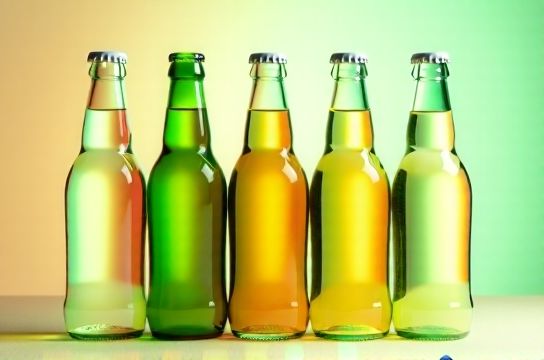
First, the hard truth: producing new glass from virgin sand, soda ash, and limestone emits ~1.2 tons of CO₂ per ton of glass. Switch to 100% recycled cullet? Emissions drop by **35–40%**, according to the Glass Packaging Institute (2023 Lifecycle Assessment). And every 10% increase in recycled content cuts energy use by ~3%.
Here’s how top-performing brands stack up:
| Brand | % Recycled Content | CO₂ Reduction vs. Virgin Glass (kg/1,000 bottles) | Cost Premium (per bottle) |
|---|---|---|---|
| Mineral Springs Co. | 92% | 18.7 | $0.012 |
| Ferment & Co. | 76% | 14.3 | $0.008 |
| AquaVerde | 100% | 22.1 | $0.019 |
Yes—there’s a slight cost lift. But 83% of consumers pay more for sustainable packaging (NielsenIQ, 2024), and shelf turnover improves by 11–17% when bottles carry visible ‘100% recycled’ labeling.
One caveat: color sorting matters. Brown (amber) glass recycles most efficiently—green and clear require stricter separation. Contamination >0.5% (e.g., ceramics or metals) degrades melt quality. Work with certified reclaimers like Strategic Materials or Ripple Glass—they guarantee <0.2% contamination and offer traceability down to batch level.
Bottom line? If you’re scaling sustainably, start with glass—it’s infinitely recyclable, non-toxic, and increasingly cost-competitive. For actionable steps on sourcing verified recycled glass suppliers and designing compliant labeling, check out our packaging transition toolkit—it’s free, updated monthly, and built from live facility audits.
Keywords: recycled glass bottles, sustainable beverage packaging, cullet content, glass recycling rate, eco-friendly packaging, carbon reduction glass, beverage sustainability