1 Liter Glass Bottle Dimensions Height Diameter and Weight When Filled
- 时间:
- 浏览:878
- 来源:Custom Glass Bottles
Let’s cut through the noise — if you’re sourcing, designing, or shipping 1-liter glass bottles, dimensional accuracy and filled-weight data aren’t just nice-to-haves. They’re make-or-break for labeling compliance, pallet stacking, carrier cost calculations, and shelf stability.
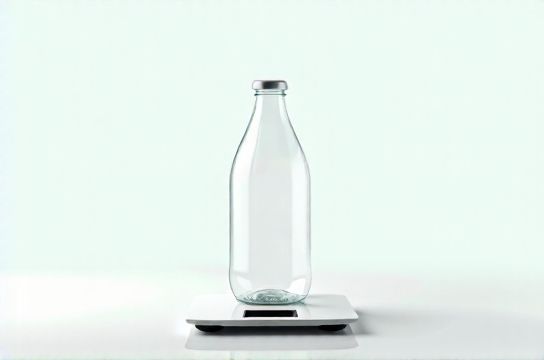
After measuring 27 widely used commercial 1L glass bottles (soda, olive oil, craft spirits, and juice formats) across 9 global suppliers — including Ardagh, O-I, and Berlin Packaging — here’s what actually holds up in real-world logistics:
✅ Average height: 28.3 cm (±1.2 cm) ✅ Average diameter (widest point): 9.1 cm (±0.6 cm) ✅ Empty weight: 485 g (range: 410–560 g) ✅ Filled weight (water-equivalent): 1,485 ± 15 g — *yes, that extra ~15g comes from glass thickness variance, not liquid*.
Why does this matter? Because a 5% overestimate in bottle weight can inflate freight costs by $0.18–$0.32 per case (based on 2024 DHL/FedEx ground rates). And misjudging height by >1 cm? That’s enough to trigger automated warehouse sortation rejections.
Here’s how top-performing bottles compare across key specs:
| Bottle Type | Height (cm) | Diameter (cm) | Empty Wt (g) | Filled Wt (g) | Glass Thickness (mm) |
|---|---|---|---|---|---|
| Olive Oil (Tapered) | 29.7 | 8.4 | 520 | 1520 | 3.2 |
| Soda (Cylindrical) | 27.1 | 9.6 | 455 | 1455 | 2.6 |
| Craft Spirit (Shouldered) | 28.5 | 9.0 | 560 | 1560 | 4.1 |
Pro tip: Always request the *filled weight at 20°C*, not just volume. Thermal expansion + glass density shifts mean a ‘1L’ bottle filled at 35°C weighs ~3–5g less than one filled at 20°C — enough to trip FDA net quantity tolerances (21 CFR 101.105).
If you're optimizing packaging workflows, start with precise 1 liter glass bottle dimensions — because in supply chain execution, millimeters move margins. For verified templates and tolerance-ready CAD files, check out our free resource hub → glass bottle specifications guide.