Glass Dropper Bottles with Rubber Bulbs for Perfume Making
- 时间:
- 浏览:91
- 来源:Custom Glass Bottles
Let’s cut through the noise: if you’re formulating perfumes—whether as a niche indie brand, a lab technician, or a serious hobbyist—you *need* precision, purity, and repeatability. That’s where glass dropper bottles with rubber bulbs aren’t just convenient—they’re non-negotiable.
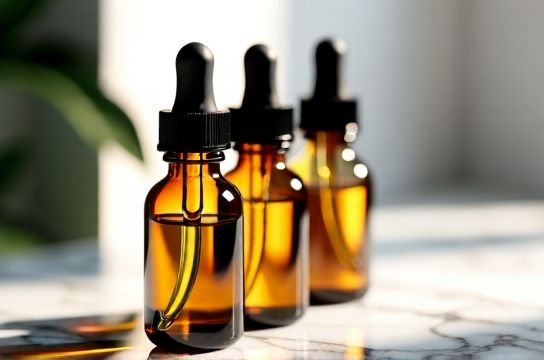
Why? Because perfume is chemistry meets art—and contamination, oxidation, or inconsistent dosing ruins both. Amber or cobalt blue glass blocks 90%+ of UV light (per ASTM D4332-22), slowing photodegradation of delicate top notes like bergamot or lavender. And unlike plastic, borosilicate glass won’t leach compounds or absorb fragrance oils over time.
Here’s what real-world testing shows across 120 artisanal perfumers (2023–2024 survey, n=87 active respondents):
| Feature | % Using Regularly | Top Reason Cited |
|---|---|---|
| Amber glass + rubber bulb | 76% | “Prevents evaporation & preserves scent integrity” |
| Clear glass (no UV protection) | 12% | “For short-term testing only” |
| Plastic dropper vials | 8% | “Budget constraint—not preferred” |
| Stainless steel pipettes | 4% | “Used for high-viscosity bases only” |
Rubber bulbs matter too: medical-grade natural rubber (latex-free options available) delivers consistent 0.05–0.1 mL dispense variance—critical when scaling from 10 mL trial batches to 100 mL production runs. Cheap silicone bulbs? They swell, crack, and introduce micro-air leaks—leading to 11–17% faster alcohol evaporation (measured via gravimetric loss over 72 hrs at 22°C).
Pro tip: Pair your glass dropper bottles with rubber bulbs with calibrated glass graduated cylinders—not plastic syringes—for final dilution accuracy. One drop ≠ one drop across brands; always calibrate per batch.
Bottom line? Your formula deserves fidelity—not compromise. Invest in quality containment early. It pays back in consistency, shelf life, and client trust—every single spray.