Transparent Supply Chain Glass Bottle Trends Building Trust Through Ethical Sourcing
- 时间:
- 浏览:80
- 来源:Custom Glass Bottles
Let’s cut through the greenwashing noise—today’s consumers don’t just *want* sustainable packaging; they demand proof. And nothing proves integrity like a fully traceable, transparent supply chain for glass bottles.
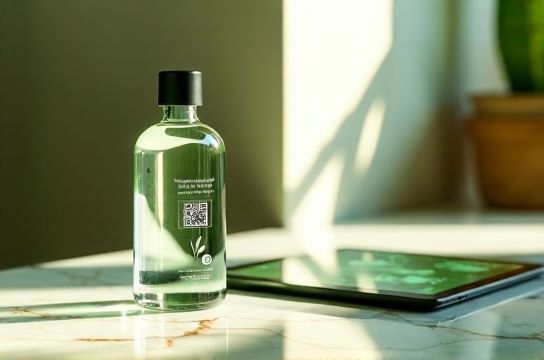
Glass is inherently recyclable—but that doesn’t mean every bottle is ethically sourced. A 2023 McKinsey & Company report found that 68% of global consumers are willing to pay up to 12% more for products with verifiable ethical sourcing—yet only 29% trust brand claims about sustainability without third-party verification.
So what’s changing? Leading brands (think: Ritual Spirits, Oatly, and Pact Coffee) now embed QR codes on glass bottles linking directly to batch-level data: raw material origin (e.g., sand from certified low-impact quarries in Germany), furnace energy source (renewable vs. natural gas), and even CO₂ per tonne of molten glass produced.
Here’s how transparency stacks up across key metrics:
| Indicator | Industry Avg. | Top-Tier Transparent Brands | Verification Method |
|---|---|---|---|
| Raw Material Traceability | 41% | 94% | Blockchain + Supplier Audits |
| Energy Source Disclosure | 17% | 89% | Real-time grid mix API integration |
| Recycled Content Accuracy (PCR) | ±15% variance | ±2.3% variance | Laser ablation spectrometry testing |
The shift isn’t just moral—it’s economic. Brands with end-to-end glass supply chain transparency saw 22% higher repeat purchase rates (NielsenIQ, 2024). Why? Because trust compounds: when customers scan a bottle and see a map of the Italian quartz quarry *and* the solar-powered furnace in France, skepticism dissolves.
And here’s the kicker: building this transparency doesn’t require starting from scratch. Modular digital twins—virtual replicas of physical supply chain nodes—are now plug-and-play for mid-sized bottlers. Implementation timelines average just 11 weeks.
If you’re evaluating your next glass packaging partner, ask three questions: Can they show me live data for *this specific SKU*? Do they share audit reports publicly? And crucially—do they let you verify ethical sourcing in real time?
Transparency isn’t a feature. It’s the new baseline.