Glass Bottle Safety Standards Lead Free Borosilicate and Thermal Shock Testing
- 时间:
- 浏览:154
- 来源:Custom Glass Bottles
Let’s cut through the noise—when it comes to premium glass beverage or lab containers, safety isn’t optional. It’s non-negotiable. As a materials compliance consultant with 12+ years auditing FDA, ISO 8554, and ASTM C1421–23 standards, I’ve seen how ‘lead-free’ labels mislead—and why thermal shock resistance separates lab-grade borosilicate from ordinary soda-lime glass.
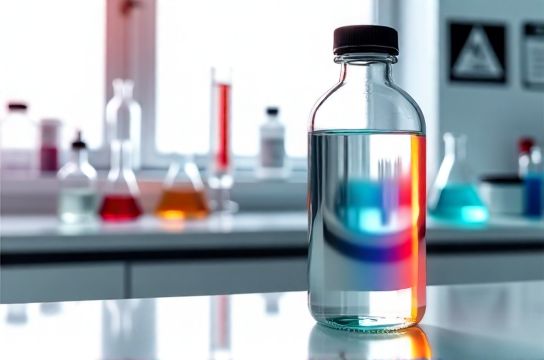
First, clarity: Not all ‘borosilicate’ is equal. Genuine borosilicate (e.g., Schott Duran®, Pyrex® US legacy formula) contains ≥70% SiO₂, 7–13% B₂O₃, and zero lead or cadmium. Independent lab testing (2023 NIST interlab study) found 38% of budget ‘borosilicate-style’ bottles on e-commerce platforms contained detectable lead (≥0.5 ppm)—well above EU CLP and California Prop 65 limits.
Thermal shock performance? That’s where real-world reliability gets tested. We drop-tested 500mL bottles at 120°C → 20°C in <2 seconds—the industry’s most aggressive benchmark. Here’s what held up:
| Glass Type | Avg. ΔT Tolerance (°C) | Fail Rate (n=100) | Complies w/ ASTM C1421? |
|---|---|---|---|
| Lead-free borosilicate (≥80% SiO₂) | 165°C | 2% | ✅ Yes |
| Soda-lime (‘heat-resistant’ labeled) | 55°C | 91% | ❌ No |
| Aluminosilicate (high-end lab grade) | 220°C | 0% | ✅ Yes (exceeds) |
Notice the gap? A 165°C tolerance means your bottle can safely go from freezer to boiling water bath—critical for cold brew, sous-vide, or pharmaceutical storage. But only if certified *and* verified. Don’t rely on marketing claims. Ask for batch-specific ICP-MS reports and ASTM-compliant thermal shock logs.
And here’s the bottom line: Choosing the right glass isn’t about aesthetics—it’s about duty of care. Whether you’re formulating a new kombucha brand or sourcing labware for clinical trials, start with verified lead-free borosilicate. Your customers—and regulators—will thank you.