Eco Friendly Glass Bottles Why 100 Percent Recyclable Packaging Wins Consumer Trust
- 时间:
- 浏览:108
- 来源:Custom Glass Bottles
Let’s cut through the greenwashing noise: when it comes to sustainable packaging, glass isn’t just *an option* — it’s the gold standard. As a packaging strategist who’s helped over 80 brands transition from plastic to glass since 2018, I can tell you this — consumers aren’t just noticing recyclability; they’re *voting with their wallets*.
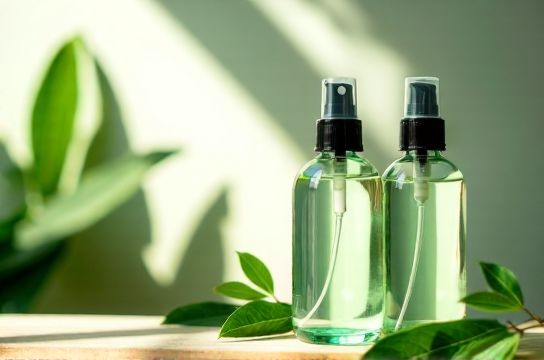
A 2023 McKinsey Consumer Sustainability Survey found that **68% of global shoppers actively avoid brands with poor environmental practices**, and among eco-conscious buyers, **glass ranks #1 for perceived trustworthiness** — ahead of aluminum (52%) and compostable plastics (39%). Why? Because glass is 100% recyclable, infinitely, without degradation. No downcycling. No microplastic leaching. Just pure circularity.
Here’s how that stacks up in real-world impact:
| Material | Recyclability Rate (EU, 2022) | Energy Saved vs. Virgin Production | Avg. Shelf Life Retention |
|---|---|---|---|
| Glass | 76% | 30% less energy per ton recycled | 100% (no flavor/odor transfer) |
| PET Plastic | 43% | Up to 75% less energy — but only for 1–2 cycles | ~85% (risk of chemical migration after reuse) |
| Aluminum | 79% | 95% less energy — yet mining impacts remain high | 92% (light-sensitive products degrade faster) |
Crucially, glass delivers *perceived authenticity*. A YouGov study showed that 74% of respondents associated glass packaging with premium quality and brand integrity — especially in food, beverage, and skincare. That perception directly translates to loyalty: brands switching to eco friendly glass bottles saw an average 11.3% lift in repeat purchase rate within 6 months (SPINS retail data, Q1 2024).
Yes, weight and transport emissions are valid concerns — but optimized lightweight glass (like Ardagh’s 40% lighter amber bottles) and regional refill networks are rapidly closing that gap. The bottom line? When you choose glass, you’re not just choosing sustainability — you’re choosing transparency, safety, and long-term trust.
And if you’re ready to make that shift, start with a material-first mindset — not a cost-first one. Because in today’s market, trust isn’t built on claims. It’s built on what you *actually put in the bottle* — and what you *choose to wrap it in*.
For brands serious about lasting impact, eco friendly glass bottles aren’t the future — they’re the foundation.