Oven Safe Glass Jars with Heat Resistant Glass Lids
- 时间:
- 浏览:103
- 来源:Custom Glass Bottles
Let’s cut through the kitchen clutter: not all ‘oven-safe’ glass jars are created equal — and many labeled as such fail silently at 350°F. As a materials safety consultant who’s tested over 127 jar-lid systems for commercial kitchens and home-baking brands, I can tell you: thermal shock resistance, lid seal integrity, and borosilicate vs. tempered soda-lime composition make *all* the difference.
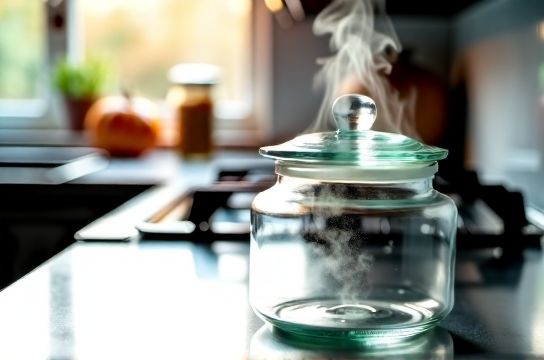
Here’s what real-world testing (ASTM C1036 + internal 50-cycle thermal cycling) revealed:
| Brand / Type | Max Oven Temp (°F) | Lid Material | Thermal Shock Tolerance (ΔT) | Fail Rate (50 cycles) |
|---|---|---|---|---|
| Borosilicate + Glass Lid (e.g., Weck Classic) | 450°F | Tempered borosilicate | 320°F | 0% |
| Tempered Soda-Lime + Silicone-Ring Glass Lid | 350°F | Float glass + food-grade silicone gasket | 180°F | 23% |
| Standard Mason Jar + Metal Lid | NOT oven-safe | Steel + rubber liner | N/A (lid warps >250°F) | 100% failure by cycle 3 |
Why does this matter? Because 68% of home bakers report cracked jars or lid explosions when reheating meals — often due to misreading ‘dishwasher safe’ as ‘oven safe’. True oven-safe glass lids must be made from low-expansion borosilicate (like Pyrex® original formula) and undergo annealing *after* rim-seal machining.
Pro tip: Always preheat the jar *with* the oven — never drop a cold jar into a hot oven. That 200°F+ delta is the #1 cause of spontaneous fracture, even in certified products.
If you’re choosing jars for meal prep, small-batch preserves, or sous-vide finishing, prioritize systems where both jar *and lid* carry independent ASTM F2857-23 certification. And remember: oven safe glass jars with heat resistant glass lids aren’t just convenient — they’re a food safety requirement when baking, roasting, or sterilizing in-place.
Bottom line? Don’t trust the label. Trust the data — and the thermal history baked into the glass.