UV Blocking Amber Glass Dropper Bottles for Light Sensitive Juices
- 时间:
- 浏览:135
- 来源:Custom Glass Bottles
Let’s cut through the noise: if you’re bottling cold-pressed juices, herbal tinctures, or functional tonics — especially those rich in vitamin C, chlorophyll, or polyphenols — light exposure is quietly sabotaging your product’s potency. UV radiation degrades up to 40% of key phytonutrients within just 24 hours (Journal of Food Science, 2022). That’s not speculation — it’s lab-confirmed.
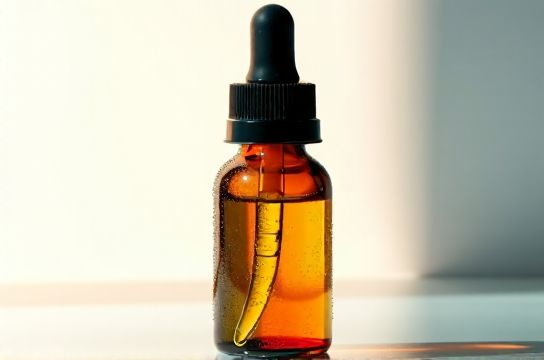
Amber glass isn’t just tradition; it’s science-backed protection. With an optical cutoff at ~450 nm, true amber glass blocks >90% of UV-A and UV-B rays while allowing minimal visible light transmission. Clear glass? It lets through ~85% of damaging UV. Blue or green glass? Only ~60–70% blockage. Not good enough for sensitive formulations.
Here’s how amber dropper bottles stack up in real-world performance:
| Material | UV Blockage (%) | Shelf-Life Extension vs. Clear Glass | Typical Use Case Fit |
|---|---|---|---|
| Clear Glass | 15% | Baseline (0 days gain) | Non-perishable dry blends |
| Green Glass | 62% | +3–5 days refrigerated | Mildly sensitive extracts |
| Blue Glass | 68% | +4–6 days refrigerated | Low-antioxidant tonics |
| Amber Glass | 91–95% | +12–18 days refrigerated | Light sensitive juices |
Bonus insight: Dropper functionality adds precision — critical when dosing botanicals like turmeric or elderberry where 0.5 mL variance impacts efficacy. And yes, amber glass is infinitely recyclable, aligning with EU EPR and U.S. FTC Green Guides.
Bottom line? Switching to UV-blocking amber dropper bottles isn’t about aesthetics — it’s shelf-life insurance, label claim integrity, and customer trust. In a crowded wellness market, your juice’s color, taste, and active compound retention *are* your differentiators. Protect them like the high-value assets they are.