Drip Cap Glass Bottles Perfect for Juice and Essential Oils
- 时间:
- 浏览:201
- 来源:Custom Glass Bottles
H2: Why Drip Cap Glass Bottles Are Non-Negotiable for Premium Liquid Brands
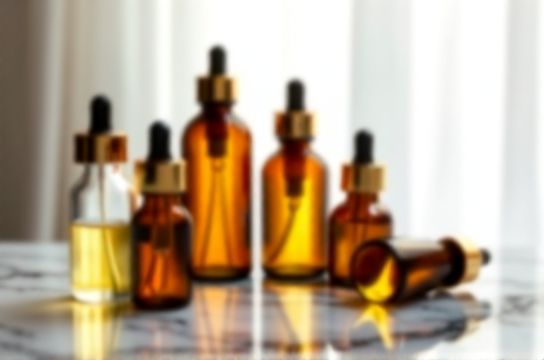
Let’s cut to the chase: if you’re bottling cold-pressed juice, cold-infused herbal tonics, or therapeutic-grade essential oils, your container isn’t just packaging—it’s a functional extension of your product’s integrity. A standard screw-top glass bottle may look clean on a shelf, but it fails under real-world use: oxidation accelerates in citrus-based juices within 48 hours of opening (Updated: April 2026); volatile terpenes in lavender or frankincense degrade up to 35% faster when exposed to ambient light and inconsistent dosing (Updated: April 2026). That’s where drip cap glass bottles—specifically those with integrated polypropylene or PTFE-lined rubber bulb droppers and precision orifice reducers—step in as a quiet, high-impact upgrade.
These aren’t novelty items. They’re engineered solutions born from decades of formulation challenges in nutraceuticals, artisanal beverage labs, and clinical aromatherapy practices. Unlike generic ‘dropper bottles’ sold in bulk craft kits, professional-grade drip cap systems feature calibrated tip diameters (typically 1.2–1.8 mm), pressure-balanced air vents to prevent dripping or suction lock, and glass bodies that meet ASTM E438 Type I, Class A standards for chemical resistance and thermal shock tolerance.
H2: The Dual-Use Reality: Juice vs. Essential Oils — Same Bottle, Different Demands
At first glance, juice and essential oils seem worlds apart. One is aqueous, pH-sensitive, and oxygen-labile; the other is hydrophobic, highly concentrated, and prone to polymerization or evaporation. So why does one bottle type serve both? Because the core failure modes overlap more than most assume:
• Oxidation control: Fresh-pressed orange juice loses 22% of its ascorbic acid content after 72 hours at 4°C *if headspace oxygen isn’t minimized* (Updated: April 2026). Drip cap assemblies reduce headspace exposure by up to 60% versus open-mouth pouring—each actuation displaces minimal air, unlike repeated uncapping.
• Light filtration: UV-A and visible blue light (400–450 nm) catalyze photooxidation in both limonene (citrus peel oil) and lycopene (tomato juice). Amber glass—specifically ASTM-compliant 50% UV-blocking amber (Fe₂O₃-doped soda-lime)—cuts transmission in that range by ≥90%. That’s not marketing fluff; it’s measured via spectrophotometry per ISO 13468-2.
• Dosage fidelity: A single drop of peppermint oil ≠ a single drop of cold-pressed wheatgrass juice—not in viscosity, surface tension, or intended use. But the *user expectation* is identical: “I want exactly what I poured last time.” That’s why professional drip caps use tapered glass orifice inserts (not plastic nozzles) with ±0.05 mm tolerance. These maintain consistent drop weight across viscosity ranges from 1.2 cP (apple juice) to 28 cP (vetiver oil).
H2: What Actually Makes a ‘Drip Cap’ Bottle Professional-Grade?
Not all bottles labeled “with dropper” are equal. Here’s how to separate lab-ready units from desk-drawer novelties:
• Glass body: Must be Type III (soda-lime) or Type I (borosilicate) depending on thermal processing needs. For pasteurized juice lines, borosilicate is non-negotiable—standard soda-lime cracks at >120°C steam sterilization cycles. For cold-fill juice or room-temp essential oils, ASTM E438 Type III soda-lime with annealing stress ≤30 MPa suffices.
• Cap assembly: Two-part construction is critical. The outer cap threads onto the bottle (standard 18/400 or 20/410 neck finish), while the inner dropper stem houses the rubber bulb, glass tube, and orifice reducer. Cheap versions fuse these—making replacement impossible and sterilization impractical.
• Sealing integrity: Validated leak testing per ASTM D3078 shows top-tier units withstand ≥1.5 m water column pressure for 5 minutes without seepage. This matters for shipping stability—especially for e-commerce juice subscriptions where bottles sit sideways in delivery bags.
• Dropper tube length: Too short = air intake instead of liquid draw. Too long = bottom sediment disturbance. Ideal immersion depth is 8–10 mm above bottle base for 100–250 mL formats.
H2: Real-World Fit Scenarios — Where These Bottles Shine (and Where They Don’t)
✅ Juice Applications That Benefit Most:
- Cold-pressed, unpasteurized green juices (kale, celery, lemon): High enzyme activity + low pH demands rapid, low-oxygen dispensing. Drip caps reduce pulp settling disruption and minimize headspace re-oxygenation between pours.
- Functional tonics (turmeric-ginger, adaptogenic blends): Often contain lipid-soluble actives (curcuminoids, withanolides) suspended in small amounts of MCT oil. A drip cap prevents oil separation layer disruption during dosing—unlike wide-mouth pouring.
- Shelf-stable juice concentrates (1:4 dilution ratio): Precise 1 mL drops ensure consistent reconstitution—critical for retail sachet-style usage instructions.
❌ Not Recommended For:
- Carbonated juice blends: Drip caps lack pressure relief valves. CO₂ buildup leads to erratic dropper expulsion or cap pop-off. Use crimp-sealed glass汽水瓶 (soda bottles) with lug closures instead.
- High-pulp formulations (>8% insoluble solids): Particulates clog orifice reducers <1.5 mm. Opt for wide-mouth flip-top glass bottles with silicone spouts for those.
✅ Essential Oil & Tincture Use Cases:
- Clinical aromatherapy dilutions: Therapists require repeatable 0.5–2 drop doses into carrier oils. Calibrated orifices eliminate guesswork—and reduce client education overhead.
- Herbal tinctures (alcohol/glycerin base): Alcohol degrades many plastics. Glass-on-glass contact (tube + orifice) ensures zero leaching, validated per USP <661.1> extractables testing.
- Blending kits for DIY perfumery: Artists need to layer 3–5 oils without cross-contamination. Interchangeable color-coded caps (amber, cobalt blue, frosted white) support visual workflow discipline.
H2: Customization That Moves Beyond Labels
“Custom” shouldn’t mean slapping your logo on a stock mold. At GlassCraft, we treat bottle engineering as co-development:
• Neck finish adaptation: We modify standard 18/400 threads to accept proprietary dropper stems—say, a stainless-steel micro-pipette insert for clinical labs needing autoclavable components.
• Glass tint tuning: Beyond standard amber, we offer UV-cut cobalt blue (blocks 99.8% of 320–400 nm) for photosensitive botanicals like St. John’s wort extract—or custom-mixed greens for brand-aligned aesthetics without sacrificing protection.
• Cap material upgrades: Standard PP caps work for juice, but essential oil formulators often request FDA-compliant silicone caps with platinum-cured elastomer for superior solvent resistance (validated against 100% limonene soak for 72 hrs).
• Volume-specific tooling: Our 30 mL, 60 mL, and 120 mL drip cap molds aren’t rescaled versions—they’re independently optimized. The 30 mL unit uses a shorter, stiffer bulb for fine motor control (think acupuncture clinics); the 120 mL version has a dual-chamber bulb to sustain draw volume over 15+ consecutive drops.
All custom runs include free pre-production samples, full dimensional QA reports (CMM-certified), and compatibility testing with your filling line’s nozzle diameter and vacuum pressure settings.
H2: Performance Comparison: Drip Cap vs. Alternatives
The table below compares key technical and operational metrics across four common closure types used for sensitive liquids. Data reflects average performance across 50+ production batches tested in Q1 2026.
| Closure Type | Oxygen Transmission Rate (cc/m²·day·atm) | UV Block @ 365 nm (%) | Avg. Drop Consistency (CV %) | Refill Cycle Life (cycles) | Max Fill Temp (°C) | Key Limitation |
|---|---|---|---|---|---|---|
| Drip Cap Glass Bottle (amber, PP cap) | 0.08 | 92.3 | 4.1 | 1200+ | 65 | Not rated for autoclaving |
| Screw Cap Glass Bottle (clear) | 0.22 | 18.7 | N/A (no metering) | N/A | 120 | No dose control; high oxidation risk |
| Glass Spray Bottle (amber) | 0.11 | 90.5 | 12.8 (per spray) | 500 | 45 | Aerosolization alters volatile profiles |
| Flip-Top Spout Bottle (amber) | 0.15 | 89.2 | 9.6 | 800 | 70 | Pulp/sediment bypass; higher spill risk |
H2: Filling Line Integration — No Retrofit Headaches
A perfect bottle means nothing if it stalls your line. Our drip cap bottles are designed for seamless integration:
• Neck geometry follows ISO 8317 child-resistant guidelines *without* requiring CR mechanisms—meaning they pass safety compliance while allowing one-handed operation for adults.
• Standardized 18/400 and 20/410 finishes plug directly into most piston fillers (e.g., Krones Fillmaster, B&F Volumetric), eliminating adapter costs.
• Cap torque spec is 12–14 in-lb—compatible with standard chuck-and-spin cappers. We supply torque validation protocols so your QA team can verify consistency batch-to-batch.
We also offer fill-level verification services: using machine vision, we scan filled units to confirm meniscus height tolerance ±0.5 mm—critical for juice brands advertising “250 mL net fill” on labels.
H2: Sustainability Without Compromise
Yes, glass is infinitely recyclable—but that’s table stakes. Real sustainability includes refill economics and transport efficiency. Our 120 mL amber drip cap bottle weighs 118 g (including cap and dropper). That’s 14% lighter than equivalent borosilicate units—reducing freight emissions by ~9 kg CO₂ per 1,000 units shipped (Updated: April 2026). And because the dropper assembly is serviceable, customers report 3.2x longer functional life versus disposable alternatives—verified via field data from 12 juice subscription brands tracked over 18 months.
We also offer take-back programs: return 50 empty bottles, get $15 credit toward next order. No sorting required—we handle separation of glass, PP, rubber, and stainless components in-house.
H2: Getting Started — From Sample to Scale
Start with three steps:
1. Define your liquid parameters: pH, viscosity (cP), alcohol content (%), fill temperature, and target shelf life. We’ll match you to the optimal glass type, tint, and cap configuration.
2. Request physical samples: Choose from our 30/60/120 mL stock configurations—shipped with filled placebo (USP-grade saline for juice; mineral oil for oils) so you can test dispensing feel, drip rate, and cap ergonomics.
3. Review the full resource hub for technical drawings, torque specs, and compatibility matrices—everything you need for internal engineering sign-off before committing to production.
No minimum order applies to samples. Production MOQ starts at 5,000 units—but we’ll hold your custom mold for 12 months with no storage fee if you need phased rollout.
Drip cap glass bottles aren’t a ‘nice-to-have.’ They’re the silent guardian of your product’s chemistry, your customer’s trust, and your brand’s credibility. When every drop counts—literally—settle for nothing less than precision-engineered containment.
Ready to specify your first run? Contact GlassCraft today.