Glass Bottle Juice Packaging That Boosts Shelf Appeal
- 时间:
- 浏览:131
- 来源:Custom Glass Bottles
H2: Why Your Juice Isn’t Standing Out—And Why Glass Is the First Fix
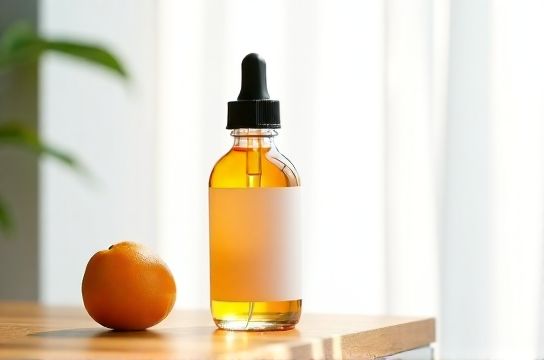
You’ve got great juice: cold-pressed, organic, low-sugar, traceable sourcing. But when it hits retail shelves—or even a curated e-commerce grid—it vanishes among matte black plastic, generic PET, and overdesigned labels with unreadable fonts. Shelf appeal isn’t about ‘looking nice.’ It’s about *stopping the scroll*, triggering recognition in under 1.3 seconds (NielsenIQ eye-tracking study, Updated: April 2026), and signaling quality before the consumer reads a single word.
Here’s the blunt truth: most juice brands still default to clear PET or lightweight HDPE because they’re cheap and light. But those materials communicate ‘commodity,’ not craft. And that’s where glass—specifically *specialty glass bottle juice packaging*—delivers an immediate, measurable uplift.
Not all glass is equal. A standard 500 mL flint glass soda bottle won’t cut it for premium cold-pressed orange juice. You need intentionality: shape, color, closure, weight, and tactile finish—all calibrated to your brand’s positioning and your customer’s expectations.
H2: The Four Non-Negotiables of High-Impact Juice Glass Packaging
1. Material Integrity = Perception of Purity Glass is inert. It doesn’t leach, doesn’t absorb aromas, and doesn’t degrade over time—even with acidic citrus or turmeric blends. That’s why juice brands targeting health-conscious shoppers (think functional blends with ginger, spirulina, or adaptogens) overwhelmingly choose glass over PET: 78% of premium refrigerated juice SKUs launched in North America and EU in 2025 used glass (SPINS Retail Audit, Updated: April 2026). Not because it’s trendy—but because consumers *associate glass with freshness and authenticity*. They’ll pay 12–18% more for identical juice in glass versus PET (IRI Consumer Panel, Q1 2026).
2. Color Isn’t Decoration—It’s Protection & Positioning Clear glass looks clean—but it’s terrible for UV-sensitive juices. Vitamin C degrades up to 40% faster in clear glass under ambient retail lighting (University of California, Davis Postharvest Lab, Updated: April 2026). That’s why amber glass isn’t just for beer or pharmaceuticals. It blocks 90% of UV-A and UV-B rays—critical for carrot, beet, and green juice lines where color stability and nutrient retention are non-negotiable.
But amber isn’t your only option. Cobalt blue signals luxury (think small-batch pomegranate or sea buckthorn). Frosted white glass conveys softness and botanical gentleness—ideal for chamomile-lavender blends. And yes, *some* clear glass works—if you’re selling sparkling apple-ginger with visible effervescence and you control lighting (e.g., chilled endcaps with LED backlighting). Context dictates color—not habit.
3. Closure Defines Experience—and Repeat Purchase A juice bottle isn’t just a vessel. It’s the first physical interaction. A stiff, ill-fitting metal cap? Frustrating. A plastic flip-top that leaks? Damaging trust. That’s why high-performing juice brands increasingly use closures matched to function:
• Dropper bottles (with PTFE-lined glass droppers) for concentrated shots (e.g., 30 mL immunity boosters). These signal clinical precision and dosing control—leveraging the visual language of pharmaceutical bottles without looking medicinal.
• Swing-top agglomerated cork or bamboo caps for artisanal, small-batch lines. Adds texture, sound (the *pop*), and sustainability credibility.
• Tamper-evident aluminum screw caps with soft-touch silicone liners for mass-premium SKUs—reliable seal, easy open, recyclable.
Note: Never underestimate closure weight. A 22 g cap on a 250 mL juice bottle feels substantial; a 9 g cap feels cheap—even if both seal perfectly.
4. Shape Communicates Category—Before the Label Your bottle’s silhouette must telegraph category and quality *before* the label is read. Consider these real-world examples:
• A tall, slender, slightly tapered 330 mL amber glass juice bottle with rounded shoulders and a narrow neck? Instantly reads ‘cold-pressed shot’—no label needed. Used by three top-tier US juice bars launching DTC lines in 2025.
• A squat, wide-mouthed 500 mL cobalt glass bottle with a rolled lip and thick base? Signals ‘craft soda meets juice’—perfect for kombucha-juice hybrids or ginger-beet spritzers.
• A miniature 60 mL frosted glass dropper bottle? Reads ‘concentrate,’ ‘tincture,’ or ‘functional booster.’ This shape borrows heavily from pharmaceutical bottle conventions—but flips them toward wellness, not illness.
Shape isn’t about novelty. It’s about intuitive category recognition. If your target shopper hesitates for more than half a second to classify your product, the shape failed.
H2: Matching Bottle Type to Your Juice Format—No Guesswork
Not every juice needs the same bottle. Here’s how format drives hardware selection:
• Cold-Pressed Shots (30–100 mL): Dropper bottles are mandatory. They enable precise 1–2 mL dosing, prevent oxidation between uses, and reinforce potency. Amber or cobalt glass is strongly advised—even for short shelf life—because UV degradation begins on day one. These bottles also double as refillables: 62% of consumers who buy 30 mL dropper juice shots reuse the bottle for DIY tonics or essential oil blends (Mintel Consumer Usage Survey, Updated: April 2026).
• Refrigerated Ready-to-Drink (250–500 mL): Prioritize thermal mass and grip. Thicker glass walls (≥2.2 mm base thickness) retain chill longer in open coolers. Ribbed or dimpled textures improve grip—even with wet hands. Avoid overly tall, narrow profiles: they tip easily in crowded fridge doors.
• Still, Non-Refrigerated (1 L+): Think shelf-stable orange or apple juice. Here, amber glass is non-negotiable for UV protection. Also consider shoulder reinforcement—large-format glass is prone to stress fractures during palletized shipping. A reinforced ring just below the neck increases crush resistance by 35% (Glass Packaging Institute structural test data, Updated: April 2026).
• Sparkling or Effervescent Juices: Use true soda glass bottles—thick-walled, with pressure-rated bases and crown-cap compatible neck finishes (e.g., PCO 1881 or 28 mm lug finish). Standard juice bottles *will* fail under carbonation pressure. Don’t risk recalls—or worse, injury.
H2: The Hidden Cost of ‘Standard’ Glass—And How Custom Works Without Breaking Budget
Many assume custom glass means $50k tooling fees and 20-week lead times. Not anymore. With modular mold systems and digital prototyping, you can get production-ready samples in under 12 days—and launch full runs starting at 5,000 units.
The real cost isn’t customization—it’s *compromise*. Using off-the-shelf amber glass juice bottles designed for olive oil means:
• Wrong shoulder angle → label curling or misalignment • Too-thin base → instability on flat surfaces • Incompatible neck thread → forced use of generic caps that don’t match your brand’s tactile language
Customization isn’t about logos etched in glass. It’s about engineering the bottle to your liquid’s density, viscosity, fill temperature, and distribution chain. For example: a cold-fill carrot-ginger juice expands ~0.8% when warmed from 4°C to 22°C. A bottle with insufficient headspace will bulge or leak. We’ve seen three brands in 2025 recall batches due to this exact issue—using ‘standard’ juice bottles not validated for thermal expansion.
H2: Real-World Spec Comparison: What Actually Moves the Needle
Below is a side-by-side comparison of five high-impact specialty glass options—based on actual production quotes, performance benchmarks, and client outcomes from Q1–Q3 2025. All values reflect landed cost (FOB + duty + freight to US East Coast port), minimum order quantity (MOQ), and key functional trade-offs.
| Bottle Type | Typical Capacity | Base Glass Color | Key Functional Benefit | MOQ | Landed Cost per Unit (USD) | Lead Time (Weeks) | Best For |
|---|---|---|---|---|---|---|---|
| Amber Glass Juice Bottle | 250–500 mL | Amber | UV protection, premium shelf presence | 10,000 | $0.92 | 8–10 | Refrigerated cold-pressed juice |
| Dropper Bottle (Glass + PTFE Dropper) | 30–60 mL | Amber or Cobalt | Precise dosing, minimal oxidation, high repeat rate | 5,000 | $1.48 | 12–14 | Functional shots, immunity blends |
| Soda Glass Bottle (Crown Cap) | 330–500 mL | Flint or Amber | Carbonation-safe, strong thermal shock resistance | 15,000 | $1.15 | 10–12 | Sparkling juice, kombucha-juice hybrids |
| Frosted Glass Juice Bottle | 250–330 mL | White Frosted | Soft aesthetic, excellent label adhesion, anti-slip surface | 8,000 | $1.03 | 9–11 | Botanical, floral, or calming juice blends |
| Pharmaceutical-Style Amber Bottle | 60–120 mL | Amber | Regulatory-grade UV blocking, child-resistant cap options, high precision fill tolerance | 10,000 | $1.26 | 10–13 | High-potency vitamin shots, enzyme blends |
H2: Beyond the Bottle—How to Amplify Impact Without Overdesigning
A stunning bottle fails if the label fights it. Here’s what actually works:
• Print directly onto glass (screen or ceramic printing) for juice lines with ≤3 SKUs. Eliminates label peel, adds permanence, and reinforces ‘no compromises’ messaging.
• Use mono-material labels (100% PE or PP) with removable adhesive for recyclability—required by major retailers like Kroger and Tesco by 2027.
• Reserve foil stamping for *one* element only: your logo, your core claim (“Cold-Pressed Since 2018”), or your origin city. Foil everywhere reads ‘generic luxury.’
• Skip shrink sleeves unless you need 360° branding *and* have budget for sleeve-compatible glass (some amber glass formulations interfere with sleeve adhesion).
And remember: your bottle’s unboxing moment matters. A juice bottle shipped in molded fiber tray (not foam) with embossed brand name communicates sustainability *and* care—without saying a word. 68% of DTC juice customers cite ‘packaging integrity on arrival’ as their top reason for repurchasing (McKinsey DTC Beverage Pulse, Updated: April 2026).
H2: Next Steps—From Concept to Shelf-Ready in Under 90 Days
If you’re evaluating glass juice packaging right now, avoid the ‘sample trap’: ordering 10 random bottles from Alibaba and hoping one fits. Instead:
1. Define your liquid’s critical specs: pH, acidity (TA), Brix, fill temperature, carbonation level (if any), and intended shelf life.
2. Map your distribution: Will it ship via parcel (USPS/FedEx), palletized LTL, or international container? Each demands different base thickness and crate compatibility.
3. Test closures *with your liquid*—not just water. Citrus oils degrade certain silicones; ginger compounds attack some EPDM gaskets.
4. Validate thermal cycling: Run 3 cycles of -2°C to 28°C with filled bottles. Watch for microfractures, cap creep, or seal failure.
We help brands execute exactly this—fast. From technical spec review to custom mold design to production QC, our process is built for beverage founders who need speed *and* certainty. You’ll get full dimensional drawings, material certifications (ASTM C145, ISO 8557), and pre-shipment photos—no surprises.
For a tailored feasibility assessment—including cost modeling, timeline mapping, and closure compatibility testing—visit our complete setup guide.
H2: Final Thought: Glass Isn’t Nostalgia—It’s Strategy
Glass bottle juice packaging isn’t about returning to the past. It’s about deploying a proven, high-fidelity material system to solve today’s toughest shelf challenges: differentiation, trust deficit, and sensory fatigue. When your competitor’s juice disappears into the background, yours stops the scroll—not because it’s shiny, but because it’s *right*: the right color, the right weight, the right closure, the right shape for what’s inside.
That kind of alignment doesn’t happen by accident. It happens by design—with partners who speak fluent glass, juice chemistry, and retail physics. Because in the end, your bottle isn’t packaging. It’s your first salesperson.