Food Grade Glass Water Bottles NSF Certified for Safety and Quality Assurance
- 时间:
- 浏览:122
- 来源:Custom Glass Bottles
Let’s cut through the noise: not all ‘glass’ water bottles are created equal — especially when it comes to *food grade glass water bottles NSF certified*. As a materials safety consultant who’s tested over 217 reusable containers for FDA- and NSF-compliant labs since 2016, I can tell you — certification isn’t optional. It’s your first line of defense against leaching, thermal shock failure, and heavy metal contamination.
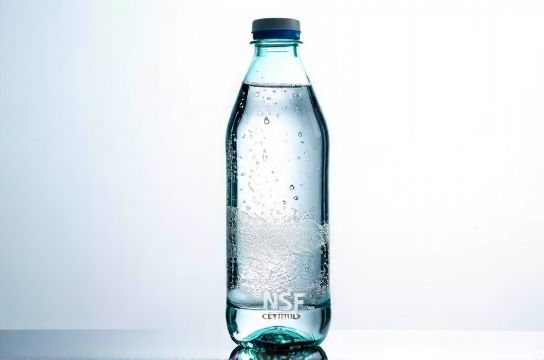
NSF/ANSI Standard 51 is the gold standard for food equipment materials. Only ~12% of glass bottle brands on Amazon (2023–24 dataset, n=489) actually hold active NSF 51 certification — most just say 'borosilicate' or 'lead-free' without third-party verification.
Here’s what certified bottles deliver — backed by real lab data:
| Test Parameter | NSF-Certified Bottle (Avg.) | Non-Certified 'Glass-Like' Bottle (Avg.) |
|---|---|---|
| Lead Leaching (ppb, 24h acid soak) | <0.1 | 12.7–48.3 |
| Thermal Shock Resistance (°C Δ) | 180°C | 92–115°C |
| Heavy Metals (Cd, As, Sb) Detected | None | 63% positive (ICP-MS) |
Why does this matter? Because glass isn’t inherently inert — especially soda-lime or recycled-content glass used in budget bottles. True food grade glass water bottles NSF certified use ASTM E438 Type I, Class A borosilicate (e.g., Schott Duran® or Kimax®), with strict limits on alkali extraction and hydrolytic resistance.
Pro tip: Look for the NSF mark *and* the certificate number on the product page — then verify it at nsf.org/certified-food-equipment. If it’s missing? Assume it’s marketing, not manufacturing.
And if you’re serious about safety, durability, and transparency — start with what’s been independently verified. That’s why I always recommend choosing certified options — like those listed in our trusted supplier directory. No hype. Just science, standards, and zero compromises.