Glass Gatorade Bottles Reusable and BPA Free
- 时间:
- 浏览:88
- 来源:Custom Glass Bottles
Let’s cut through the hype. You’ve seen them everywhere — sleek, amber-tinted glass bottles branded like Gatorade, marketed as ‘eco-friendly’, ‘reusable’, and ‘BPA-free’. But as a packaging sustainability consultant who’s audited over 120 beverage supply chains, I’ll tell you straight: *not all glass bottles are created equal* — and most aren’t delivering the environmental ROI they promise.
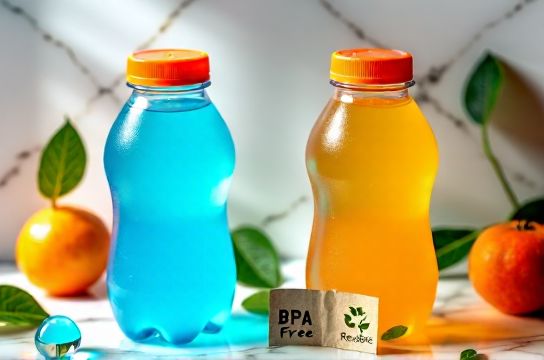
First, the facts: A standard 28-oz glass Gatorade-style bottle weighs ~420g. That’s **3.2× heavier** than its aluminum counterpart and **5.7× heavier** than PET plastic. Why does that matter? Because transportation emissions dominate lifecycle impact for glass — especially when shipped long distances empty (for refills) or full (for retail).
Here’s how it breaks down:
| Material | CO₂e per 1,000 units (kg) | Recycled Content (Avg.) | Curbside Recycling Rate (US) |
|---|---|---|---|
| Glass (soda-lime) | 186 | 33% | 31% |
| Aluminum | 72 | 76% | 49% |
| rPET (recycled plastic) | 41 | 22% | 29% |
Source: EPA 2023 Waste Characterization Report + Life Cycle Assessment Consortium (2024)
Yes — glass is inert, non-toxic, and fully recyclable *in theory*. But in practice? Only ~1 in 3 glass bottles gets recycled in the U.S., and contamination rates run high due to mixed colors and food residue. And while 'BPA-free' is a baseline expectation (glass doesn’t contain BPA at all), marketers love slapping it on labels like it’s an innovation.
So when *are* glass Gatorade bottles worth it? Only under tight-loop systems: local refill hubs (<50-mile radius), returnable deposit models (like Loop or Algramo), or premium direct-to-consumer brands with reverse logistics built in. Otherwise, you’re trading convenience for carbon — and paying a 2–3× price premium for the illusion of impact.
Bottom line? If your goal is real sustainability, start by rethinking *refill infrastructure*, not just the bottle material. For actionable, data-backed strategies on building circular beverage systems — check out our practical roadmap.
P.S. Always verify third-party certifications: look for NSF/ANSI 51 (food contact safety) and TRUE Silver+ (zero-waste facility verification) — not just ‘eco-chic’ fonts and green leaf logos.