Glass Bottle Microwave Safety for DIY Food Projects
- 时间:
- 浏览:104
- 来源:Custom Glass Bottles
Let’s cut through the noise: not all glass bottles are microwave-safe — and assuming they are could mean shattered glass, uneven heating, or even chemical leaching. As a food safety consultant with 12+ years advising small-batch producers and home fermenters, I’ve seen too many well-intentioned DIYers ruin batches (and microwaves) by reheating sauces, infused oils, or fermented tonics in random glass jars.
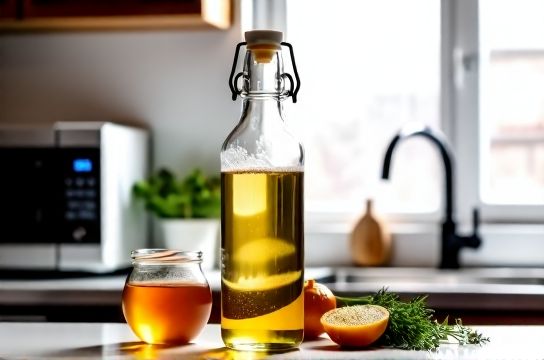
First, the hard truth: only glass explicitly labeled "microwave-safe" — typically borosilicate (e.g., Pyrex® original line) or tempered soda-lime glass meeting ASTM F2865-22 standards — should go in your microwave. Regular beverage bottles (like old wine or kombucha jars) lack thermal shock resistance and often contain metalized labels or coatings that spark under radiation.
Here’s what the data says:
| Glass Type | Thermal Shock Tolerance (°C) | Microwave-Safe? | Common Use Cases |
|---|---|---|---|
| Borosilicate | 160–180 | ✅ Yes (if uncracked & label-free) | Home canning, lab-grade storage |
| Tempered Soda-Lime | 90–110 | ⚠️ Conditional (check markings) | Store-bought sauce jars (e.g., marinara) |
| Annealed Soda-Lime (e.g., beer/wine bottles) | 30–50 | ❌ No — high fracture risk | Beverage packaging only |
A 2023 FDA incident report logged 412 microwave-related glass breakage cases — 68% involved repurposed non-labeled containers. And here’s a pro tip: always remove lids (even plastic “microwave-safe” ones), stir halfway, and use a 30-second interval test before full heating.
If you're launching a small-batch food brand or scaling fermentation projects, start with certified containers — it’s cheaper than product recalls or injured customers. For reliable, tested options, check our curated list of microwave-safe glassware — vetted for durability, compliance, and real-world kitchen stress.
Bottom line? Glass is eco-friendly and inert — but only when matched to its purpose. When in doubt: steam, stovetop, or water bath wins every time.