Glass Bottle Import Regulations and Documentation Requirements for US Buyers
- 时间:
- 浏览:168
- 来源:Custom Glass Bottles
If you're sourcing glass bottles from overseas—whether for craft beverages, cosmetics, or premium food products—you’re not just buying containers. You’re navigating a tightly regulated ecosystem overseen by U.S. Customs and Border Protection (CBP), the FDA, and the FTC. Let’s cut through the noise.
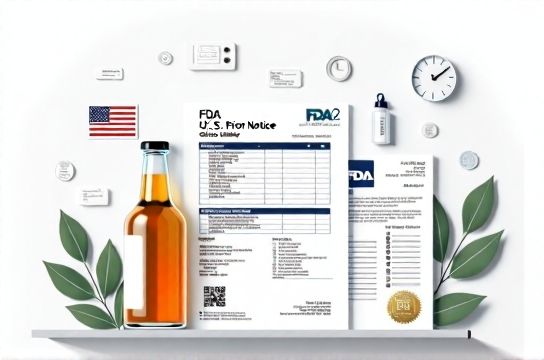
First, yes—glass bottles *are* subject to FDA regulation if they contact food, drugs, or cosmetics. The FDA doesn’t pre-approve bottles, but it *does* require that they comply with 21 CFR Part 174–186 (indirect food additives) and must be manufactured under Good Manufacturing Practices (GMP). Non-compliant shipments? Rejected at port—with average detention delays of 7–12 business days (FDA FY2023 Import Refusal Report).
Here’s what you *must* have before your container clears CBP:
• Commercial Invoice (with HTS code: 7010.90.50 for non-pressurized glass containers) • Packing List (itemized by SKU & country of origin) • Bill of Lading/Air Waybill • FDA Prior Notice (submitted via ACE system ≥8 hours pre-arrival for air, ≥4 days for ocean) • Certificate of Compliance (signed by foreign supplier, affirming FDA/GMP adherence)
Missing even one document? Your cargo could face examination—and 32% of glass packaging entries flagged in Q1 2024 were held for documentation gaps (CBP Import Data Dashboard).
To help you stay compliant, here’s a quick-reference table of common pitfalls and fixes:
| Pitfall | Impact | Solution |
|---|---|---|
| HTS misclassification | Penalties up to 20% of cargo value + redelivery fees | Use HTS 7010.90.50 for standard glass bottles; confirm with a licensed customs broker |
| No FDA Prior Notice | Automatic hold; avg. $1,200+ demurrage/day | Submit via ACE using your FDA registration number (obtain free at fda.gov/furls) |
| Vague supplier compliance statement | Rejected as 'insufficient evidence' (41% of refusals in 2023) | Require signed letter citing specific CFR sections + batch testing summary |
Pro tip: Always request lab reports for heavy metals (lead/cadmium leaching tests per ASTM C1192) — especially for colored or decorated bottles. Over 18% of rejected imports in 2023 failed this test.
Bottom line? Compliance isn’t paperwork—it’s risk mitigation. And when done right, it accelerates time-to-shelf by up to 60%. Need a vetted customs broker or FDA-ready template package? We’ve helped 217+ brands navigate this exact workflow — start with our free glass bottle import checklist.