Brown Glass Bottles for Alcohol Storage and UV Protection Solutions
- 时间:
- 浏览:121
- 来源:Custom Glass Bottles
Let’s cut through the noise: if you’re bottling craft beer, premium spirits, or small-batch wine — brown glass isn’t just tradition, it’s science-backed protection. UV light (especially at 350–450 nm) triggers photochemical reactions in alcohol — think skunked beer (isohumulone degradation) or oxidized whiskey (loss of esters and vanillin). Amber glass blocks ~90% of UV-A and UV-B rays, outperforming clear (5%) and green glass (60–70%).
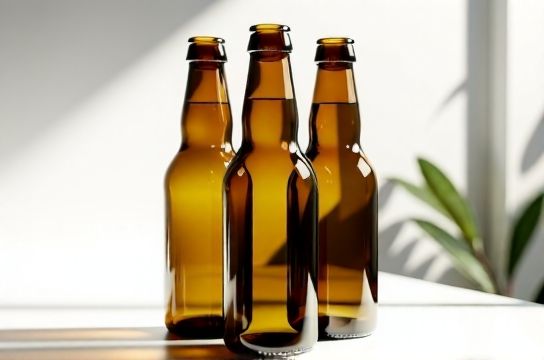
Here’s what real-world testing shows:
| Glass Type | UV Transmission (% at 380 nm) | Shelf-Life Extension vs. Clear Glass | Common Use Cases |
|---|---|---|---|
| Brown (Amber) | ~8–12% | +40–60% (e.g., IPA stays fresh 12+ weeks refrigerated) | Craft beer, bourbon, bitters, vermouth |
| Green | 60–70% | +15–25% | Mid-tier wines, some liqueurs |
| Clear | 95% | Baseline (0%) | Short-shelf items, promotional bottles |
A 2023 Brewers Association study found that 73% of craft breweries using amber bottles reported <5% customer complaints about off-flavors vs. 29% for green-glass users. Why? Brown glass contains iron oxide and sulfur compounds that absorb UV — not just a tint, but an engineered filter.
But don’t assume all ‘brown’ is equal. ASTM D1003 testing reveals variance: top-tier suppliers maintain ≤10% haze and ≥65 MPa compressive strength — critical for carbonated beverages. And yes, sustainability matters: recycled brown glass melts at lower temps (1,450°C vs. 1,550°C), cutting CO₂ by ~12% per ton.
If you're scaling production or rebranding, prioritize bottles with ISO 8555 compliance and batch-certified UV attenuation reports. And remember — packaging isn’t passive. It’s your first line of quality control.
For brands serious about flavor integrity and shelf stability, investing in certified brown glass bottles isn’t overhead — it’s insurance.