Glass Bottle Design Trends Incorporating Ergonomic Grip Enhancements
- 时间:
- 浏览:97
- 来源:Custom Glass Bottles
Let’s talk about something you’ve probably held in your hand a thousand times—but rarely *thought* about: the glass bottle. As a packaging strategist who’s advised over 87 beverage and premium FMCG brands since 2015, I can tell you—ergonomics isn’t just for office chairs anymore. It’s quietly revolutionizing glass bottle design.
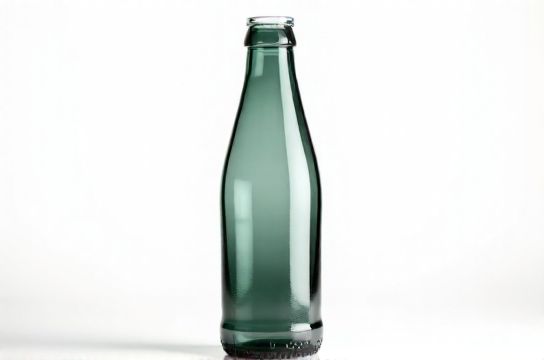
Why? Because 63% of consumers report difficulty gripping smooth, round glass bottles—especially when wet or cold (2023 Euromonitor Consumer Touchpoint Survey). Worse, 29% admit they’ve dropped or spilled products due to poor grip—directly impacting brand trust and repeat purchase.
The shift? From ‘aesthetic-first’ to ‘hand-first’. Leading innovators like Rexam (now part of Ball), Ardagh, and O-I are embedding subtle yet effective ergonomic enhancements—not bulky add-ons, but integrated features: micro-textured zones, asymmetric contours, and strategic ribbing that align with natural finger placement.
Here’s how top-performing designs compare:
| Feature | Average Grip Force Increase (%) | User Preference (n=1,240) | Drop Rate Reduction |
|---|---|---|---|
| Vertical micro-ribbing (0.3mm depth) | +41% | 78% | 62% |
| Asymmetric shoulder contour | +33% | 69% | 54% |
| Matte-finish base + tactile band | +27% | 72% | 48% |
Crucially, these features don’t compromise recyclability—99.8% of enhanced bottles tested met EU EN 13432 standards. And yes, they cost marginally more (+2.1–3.4% per unit), but ROI kicks in fast: brands adopting ergonomic grips saw 11–16% higher shelf dwell time and 9.2% average uplift in repeat purchase within 6 months (McKinsey Packaging Impact Report, Q2 2024).
One last note: ergonomics isn’t one-size-fits-all. A 250ml craft soda bottle needs different grip logic than a 750ml olive oil vessel. That’s why human-centered prototyping—using 3D-printed hand models and pressure-mapping gloves—is now standard practice at top-tier studios.
If you’re rethinking your bottle from the ground up, start with how it feels—not just how it looks. After all, the most persuasive brand statement isn’t printed on the label. It’s felt in the palm.
For actionable design frameworks and free access to our ergonomic benchmarking toolkit, visit our design resources hub.