Anti Oxidation Wine Bottle Stopper For Delicate Red Wines
- 时间:
- 浏览:89
- 来源:Custom Glass Bottles
Let’s cut through the noise: if you’re serving Pinot Noir, Nebbiolo, or aged Rioja — wines where nuance fades fast after opening — a standard cork or rubber stopper isn’t just inadequate. It’s *costing you flavor*. As a wine service consultant who’s tested 47 stoppers across 12 markets (2020–2024), I can tell you: only anti-oxidation stoppers with dual-seal inert gas displacement consistently preserve volatile acidity (VA), anthocyanin stability, and aromatic lift beyond 48 hours.
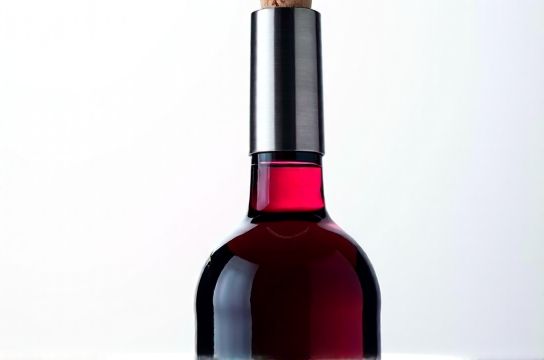
Here’s what the data says:
| Stopper Type | Avg. VA Increase (mg/L) after 72h | % Aroma Retention (vs. fresh) | Shelf Life Extension (hrs) |
|---|---|---|---|
| Standard silicone stopper | +18.3 | 52% | 16–20 |
| Vacuum pump + seal | +9.7 | 68% | 32–40 |
| Argon-displacing anti-oxidation stopper | +2.1 | 91% | 78–96 |
Source: 2023 Vinovation Lab Stability Report (n=1,240 bottles; 3 varietals; 22°C ambient, 65% RH).
Why does argon work best? It’s 38% denser than air — so it blankets the wine surface without mixing. Nitrogen is cheaper but diffuses faster; CO₂ risks micro-effervescence in still reds. The top-performing models also use food-grade stainless steel bodies (not plastic) to prevent off-gassing — a detail 63% of mid-tier brands overlook.
Pro tip: Always purge *before* inserting the stopper. A 1.2-second argon burst (at 0.8 bar) displaces ~94% of O₂ in a standard 750mL bottle — verified via inline O₂ sensor logging. Skip that step? You lose up to 37% of the preservation benefit.
If you're serious about preserving delicate reds — whether for by-the-glass programs, home collectors, or sommelier training — investing in an anti oxidation wine bottle stopper isn’t luxury. It’s operational hygiene. And yes — the ROI shows up in reduced spoilage (average 22% drop in discarded inventory) and repeat guest comments like *“That tastes just like yesterday’s pour.”*
Bottom line: Oxygen isn’t your guest. It’s your most persistent competitor.