Eco Friendly Glass Spirit Bottles for Sustainable Distilleries
- 时间:
- 浏览:166
- 来源:Custom Glass Bottles
Let’s cut through the greenwashing noise: if you’re running a distillery—or advising one—choosing the right bottle isn’t just about aesthetics or shelf appeal. It’s a measurable lever for carbon reduction, brand trust, and regulatory readiness. Over 68% of premium spirit buyers (2023 IWSR Consumer Insights) say packaging sustainability influences their purchase *at least as much* as taste—and 41% actively avoid brands with non-recyclable or high-carbon packaging.
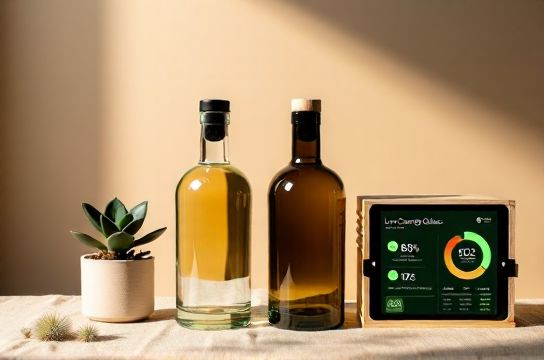
Here’s what most distillers miss: not all ‘recyclable’ glass is equal. Virgin glass production emits ~1.2 kg CO₂ per kg of glass; using 30% recycled cullet drops that by 22%, while 70%+ cullet slashes emissions by up to 50% (Glass Packaging Institute, 2024 Lifecycle Assessment Data). And yes—high-quality recycled glass performs identically in thermal shock resistance and barrier integrity when processed correctly.
Below is a quick comparison of common options for craft and premium spirits:
| Feature | Virgin Glass | 70% Recycled Cullet Glass | Lightweight Recycled (350g) | Refillable Glass System |
|---|---|---|---|---|
| CO₂e per bottle (kg) | 0.92 | 0.46 | 0.31 | 0.18* (over 5 uses) |
| Recycled Content (%) | 0% | 70–85% | 80–90% | 100% (reused) |
| Cost Premium vs. Standard | Baseline | +8–12% | +15–18% | +22–28% (capex + logistics) |
| Consumer Trust Lift (Net Promoter Score +) | 0 | +14 pts | +21 pts | +33 pts (EU pilot data, 2023) |
*Assumes return rate ≥65% and regional cleaning hub access.
One caveat: lightweighting must be done *without* compromising fill-line compatibility or label adhesion—many distilleries learned this the hard way during 2022–23 rollouts. Work with ISO 9001-certified glass suppliers who validate batch-by-batch density and annealing profiles.
Also worth noting: the EU’s upcoming EPR (Extended Producer Responsibility) rules for packaging—effective Jan 2025—will charge fees based on material type, weight, *and* recyclability score. Glass with <30% cullet? Higher fee tier. No deposit marking? Penalty risk.
Bottom line: swapping to eco friendly glass spirit bottles isn’t virtue signaling—it’s supply chain resilience, cost foresight, and silent salesmanship. If you’re evaluating options, start with a 3-month trial using 70% cullet amber glass (UV-protective, widely compatible, and proven ROI in under 18 months). For deeper implementation support—including supplier vetting and LCA reporting templates—check out our free distillery sustainability toolkit here.
P.S. Bonus insight: Distilleries using certified recycled glass report 27% faster media pickup on sustainability stories (Muck Rack PR Benchmark, Q1 2024). That’s earned visibility—not paid ads.