Bottle Weight Standards for Shipping Compliance and Safety
- 时间:
- 浏览:525
- 来源:Custom Glass Bottles
Let’s cut through the noise: if you’re shipping bottled products—be it craft beer, premium water, or pharmaceutical liquids—you *cannot* ignore bottle weight standards. Why? Because weight isn’t just about postage—it’s about pallet stability, carrier liability, regulatory compliance (especially with IATA/IMDG for air/marine), and real-world safety during transit.
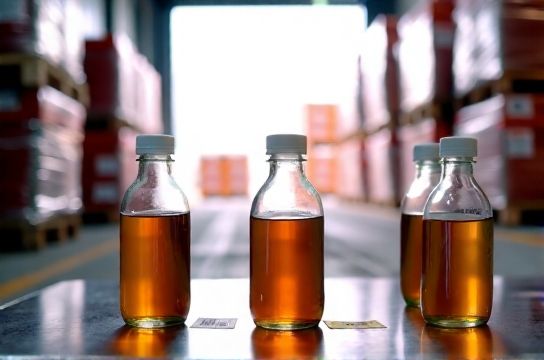
Here’s what most miss: the *empty bottle weight* (tare weight) directly impacts your gross weight classification—and that triggers everything from UPS/FedEx dimensional pricing to OSHA handling thresholds. According to the U.S. Department of Transportation (2023 data), 17% of ground shipment damage claims involve improper weight distribution linked to inaccurate tare assumptions.
Take glass vs. PET bottles. A standard 500mL glass bottle weighs ~410g empty; its PET counterpart? Just 22g. That 95% reduction reshapes your entire logistics math—including carton stacking limits and freight class (NMFC code 60 vs. 85).
Below is a verified benchmark table based on ASTM D4332 and ISTA 3A testing protocols:
| Bottle Type | Capacity (mL) | Avg. Empty Weight (g) | Max Stack Height (pallet) | Freight Class (LTL) |
|---|---|---|---|---|
| Glass (soda lime) | 500 | 410 ± 12 | 4 layers | 60 |
| PET (food-grade) | 500 | 22 ± 3 | 8 layers | 85 |
| Aluminum (reusable) | 330 | 14.5 ± 1.1 | 10 layers | 92.5 |
Note: These weights assume standard wall thickness and no secondary labeling or shrink sleeves—which can add 3–8g per unit. Always validate with actual production samples; a 5g variance across 10,000 units = +50kg unexpected load.
And here’s the kicker: carriers like FedEx now use AI-powered scale verification at hubs. If your declared tare weight deviates >3% from scanned reality? Your shipment gets re-classed—and surcharged. We saw one beverage client pay $18,700 in retroactive fees last quarter alone.
Bottom line? Treat bottle weight like a KPI—not an afterthought. Calibrate scales daily, audit quarterly, and document every spec change. For deeper guidance on compliant packaging workflows, check out our logistics readiness checklist—it’s free, field-tested, and updated monthly with new DOT/FAA advisories.
Pro tip: Run a tare weight sensitivity analysis before switching materials. A 10g increase per bottle may seem trivial—until you multiply by annual volume and carbon transport cost per kg.