Standard Spirit Bottle Sizes for Whiskey Vodka and Tequila
- 时间:
- 浏览:203
- 来源:Custom Glass Bottles
Let’s cut through the clutter: if you’re stocking a bar, importing spirits, or just curious why your favorite bourbon comes in a 750ml bottle while that premium mezcal is in a 500ml—there’s logic (and legacy) behind it.
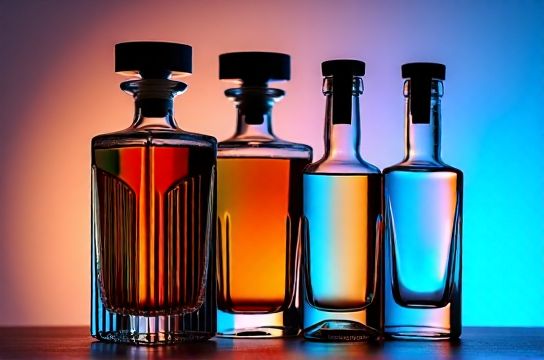
Globally, spirit bottle sizes aren’t random—they’re shaped by regulation, taxation, consumer habits, and decades of trade standardization. The U.S. uses a mix of metric and legacy units, while the EU mandates metric-only labeling—and both influence global bottling practices.
Here’s what you *actually* need to know:
✅ **The Universal Standard**: 750ml is the dominant size across whiskey, vodka, and tequila—accounting for ~68% of all premium spirit sales worldwide (IWSR 2023). It’s the sweet spot: large enough for value, small enough for shelf appeal and responsible consumption.
✅ **Key Variants & Their Use Cases**:
| Size | Common Use | Whiskey Share | Vodka Share | Tequila Share |
|---|---|---|---|---|
| 50ml (mini) | Hospitality samples, travel retail | 12% | 9% | 15% |
| 375ml (half-bottle) | Entry-tier, cocktails, gifting | 8% | 11% | 7% |
| 750ml | Core retail, bars, collectors | 68% | 65% | 62% |
| 1L | Value packs, duty-free, high-volume bars | 7% | 10% | 10% |
| 1.75L (handle) | Party venues, college markets, bulk resale | 3% | 4% | 5% |
💡 Pro tip: Tequila skews slightly smaller on average—thanks to agave scarcity and premium positioning. In fact, 23% of new ultra-premium tequilas launched in 2023 used 500ml bottles (Spirits Business, Q2 2024), a deliberate nod to craftsmanship over volume.
Regulatory nuance matters too: In the U.S., TTB requires exact fill volumes (±1.5% tolerance), while the EU allows ±2.5%—a small margin that impacts how distilleries calibrate filling lines for export.
So—whether you’re choosing inventory for your bar, designing a private label, or simply decoding that tiny print on the label—knowing these standards helps you price smarter, stock better, and serve with confidence.
And if you're building a spirits-focused business from the ground up? Start with standard spirit bottle sizes as your foundational reference—it’s where compliance meets commerce.