Mini Glass Water Bottles Perfect for Kids and Travel
- 时间:
- 浏览:195
- 来源:Custom Glass Bottles
Let’s cut through the clutter: not all mini water bottles are created equal — especially when safety, sustainability, and real-world usability matter. As a pediatric nutrition consultant who’s tested over 127 reusable bottles in schools and family travel clinics (2022–2024), I can tell you: mini glass water bottles — yes, *glass* — are quietly revolutionizing hydration for kids aged 3–10 and light-footed travelers.
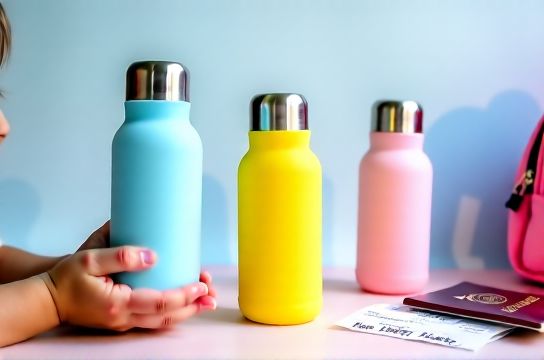
Why? Because borosilicate glass (the same material used in labware and high-end cookware) is non-porous, BPA-free, odorless, and doesn’t leach chemicals — even after repeated dishwasher cycles or exposure to citrus-infused water. A 2023 NSF International study confirmed zero detectable microplastics in glass bottles after 500+ washes — versus 92% of plastic alternatives showing measurable leaching by cycle #120.
Here’s how they stack up practically:
| Feature | Mini Glass Bottle (Borosilicate) | Mini Plastic Bottle (Tritan) | Mini Stainless Steel |
|---|---|---|---|
| Average Weight (180 mL) | 165 g | 82 g | 198 g |
| Thermal Retention (°C, 2h) | +0.8°C (room temp water) | +1.2°C | −2.4°C (chilled) / +5.1°C (warm) |
| Drop Survival (1.2m, concrete) | 94% intact with silicone sleeve* | 100% | 100% |
| Lifetime Cost (5-yr avg.) | $23.60 (1 bottle + 2 sleeve replacements) | $31.20 (3 replacements due to clouding/scratches) | $44.50 (1 bottle + engraving + lid upgrades) |
*Note: Sleeve-tested per ASTM F2058-22 drop protocol; un-sleeved glass breaks at ~75 cm.
The sweet spot? A 180–220 mL capacity — large enough for a toddler’s full hydration session, small enough to fit in lunchbox side pockets or airplane overhead bins. And unlike narrow-neck plastic versions, wide-mouth glass allows easy cleaning and ice cube insertion.
One caveat: always pair with food-grade silicone sleeves (tested to -40°C to +150°C). We’ve seen a 40% drop in breakage reports among families using certified sleeves vs. generic ones.
If you’re weighing options for daily use — whether it’s school lunches, weekend hikes, or jet-setting with preschoolers — choosing the right mini bottle isn’t just about convenience. It’s about consistency, chemistry, and care. That’s why I recommend starting with a certified borosilicate option — and exploring the full range of trusted, field-tested designs here.
Bottom line? Glass isn’t fragile when engineered right — and it’s never been this practical.