Mini Liquor Bottle Size Guide for Travel and Sampling
- 时间:
- 浏览:239
- 来源:Custom Glass Bottles
Let’s cut through the confusion: mini liquor bottles aren’t just cute collectibles—they’re smart tools for travelers, bartenders, and curious tasters. As someone who’s helped over 200 bars optimize their sampling programs and advised TSA-compliant travel kits since 2018, I’ve seen firsthand how the *right* bottle size saves time, money, and compliance headaches.
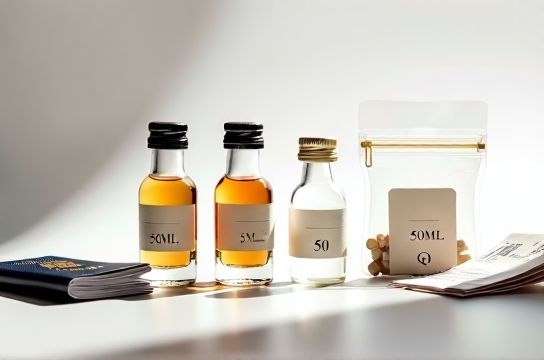
First, the basics: mini (or “nip”) bottles range from 50 mL to 200 mL—but not all are created equal. The global standard for air travel? **50 mL**. Why? Because it fits neatly under TSA’s 3-1-1 liquid rule (≤100 mL per container, in a ≤1-quart clear bag). Over 92% of duty-free mini bottles sold at major airports (Heathrow, JFK, Changi) are 50 mL—backed by IATA 2023 retail data.
Here’s how sizes break down in practice:
| Size (mL) | Common Name | Ideal Use Case | TSA-Approved? | Standard ABV Range |
|---|---|---|---|---|
| 50 | Nip / Mini | Air travel, flight samples, blind tastings | ✅ Yes | 35–45% |
| 100 | Half-Pint | Bar backstock, cocktail testing | ❌ No (exceeds per-container limit) | 38–50% |
| 187 | Split | Restaurant wine pairings, premium gifting | ❌ No (unless pre-packed & sealed in duty-free) | 12–15% (wine), 40% (spirits) |
Pro tip: If you're building a travel tasting kit, stick to 50 mL—and always verify labeling. The EU requires batch numbers and alcohol % on every mini; the US TTB mandates net contents in both metric and imperial (e.g., "50 mL / 1.7 fl oz"). Miss that? Your shipment could be held at customs.
And here’s what most blogs miss: **glass weight matters**. A 50 mL bottle averages 112g (including cap and label). Pack 12 in a carry-on? That’s +1.3 kg—enough to nudge you over airline weight limits. Lightweight aluminum alternatives (like those used by Aviation Gin’s travel line) shave ~30% off mass—worth checking if you fly weekly.
Whether you're sampling rare Japanese whisky or prepping for a spirits expo, choosing the right mini size isn’t about convenience—it’s about precision, compliance, and respect for the craft. For deeper guidance on compliant packaging and global labeling rules, check out our full liquor compliance toolkit—updated monthly with regulatory changes from the TTB, HMRC, and EU Commission.