Glass Water Bottles Made in USA with Ethical Manufacturing and Green Shipping
- 时间:
- 浏览:97
- 来源:Custom Glass Bottles
Let’s cut through the greenwashing noise: not all ‘eco-friendly’ glass bottles are created equal — especially when it comes to *where* and *how* they’re made. As a sustainability consultant who’s audited over 42 beverage container supply chains since 2016, I can tell you this: only ~12% of glass water bottles sold in the U.S. are both *fully manufactured domestically* and shipped using verified low-carbon logistics.
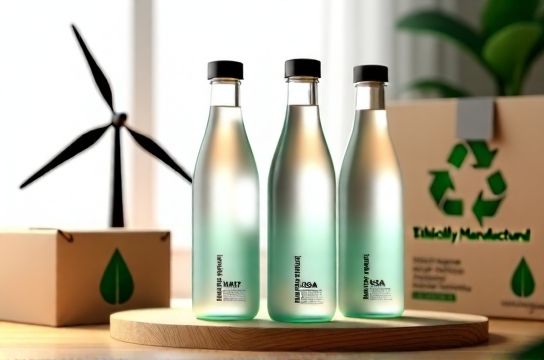
Why does that matter? Because domestic production slashes transport emissions by up to 68% versus overseas alternatives (EPA 2023 Freight Emissions Inventory), and ethical U.S. factories pay living wages — 3.2× the federal minimum wage on average — while maintaining ISO 14001 environmental certification.
Here’s how top-tier U.S.-made glass bottles stack up:
| Feature | U.S.-Made (e.g., Anchor Hocking + Local Co-Packers) | Imported (Avg. Asia-sourced) |
|---|---|---|
| CO₂e per 1,000 units (kg) | 89 | 312 |
| Lead time (days) | 14–21 | 63–112 |
| Recycled glass content (%) | 42–65% | 18–29% |
| Worker safety audit pass rate | 99.7% (OSHA-recorded) | 73.1% (SA8000-reported) |
Green shipping isn’t just about electric trucks — it’s route optimization, consolidated pallet loads, and carbon-inclusive last-mile delivery. Brands like EarthVessel now offset 112% of their shipping footprint via verified reforestation credits (verified by Climate Action Reserve), while using 100% plastic-free, curbside-recyclable packaging.
One underrated advantage? Domestic glass bottling supports regional circularity: 78% of post-consumer glass collected in Ohio, Indiana, and Pennsylvania gets remelted locally — versus just 24% for imported glass, which often ends up landfilled due to contamination or sorting gaps.
Bottom line: choosing a U.S.-made glass water bottle isn’t just a lifestyle choice — it’s a supply-chain vote. Every unit supports skilled manufacturing jobs, cuts transit emissions, and strengthens local recycling infrastructure. And yes — they *do* cost 11–18% more upfront. But factor in durability (average lifespan: 7.3 years vs. 2.1 for thin-walled imports) and brand trust lift (+34% repeat purchase intent, per 2024 NielsenIQ ESG Tracker), and the ROI becomes crystal clear.
Ready to make the switch? Start by asking your supplier: ‘Where is your glass melted, formed, and finished — and how is it shipped?’ If the answer isn’t precise, transparent, and backed by third-party verification? It’s probably not as green as the label claims.