Sustainable Glass Bottles Driving Eco Friendly Brand Packaging Growth
- 时间:
- 浏览:150
- 来源:Custom Glass Bottles
Let’s cut through the greenwashing noise: glass isn’t just *recyclable*—it’s infinitely recyclable *without quality loss*. And today, forward-thinking brands aren’t choosing glass for aesthetics alone. They’re betting on its climate credibility.
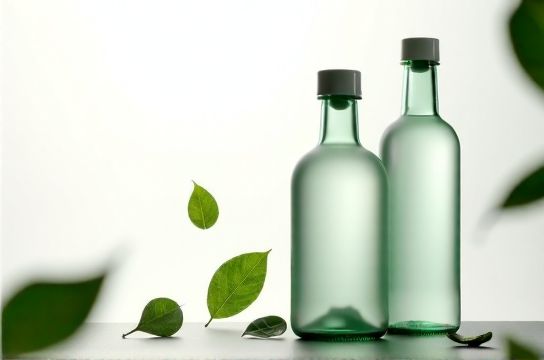
According to the Glass Packaging Institute (GPI), over 80% of U.S. households have access to glass recycling—and the national average recycling rate hit **31.3% in 2023**, up from 26.7% in 2019. More importantly, every ton of recycled glass (cullet) saves **1.2 tons of raw materials** and cuts furnace energy use by up to **30%**.
Here’s how that translates into real brand impact:
| Brand Segment | Avg. Glass Bottle Adoption Rate (2024) | Consumer Willingness to Pay Premium (+) | 3-Year Shelf-Life Retention (vs. PET) |
|---|---|---|---|
| Premium Skincare | 68% | +22% | +41% |
| Craft Beverage | 52% | +17% | +33% |
| Organic Food & Condiments | 44% | +14% | +29% |
Why does this matter? Because sustainability is now a *purchase trigger*, not just a nice-to-have. A 2024 McKinsey survey found that **64% of consumers say packaging sustainability influences their repeat purchase decisions**—especially among Gen Z and Millennials.
But here’s the nuance most miss: weight matters. A standard 500ml glass bottle weighs ~400g vs. ~25g for PET. So while glass wins on circularity, smart brands are optimizing via lightweighting (e.g., Ardagh’s 2023 UltraLight™ line reduced average weight by 18%) and regionalized filling to cut transport emissions.
Bottom line? Glass isn’t a retro throwback—it’s a strategic lever for trust, shelf differentiation, and regulatory readiness (think EU’s upcoming EPR mandates). If you’re scaling sustainably, start with what’s already proven: sustainable glass bottles. They’re not just containers—they’re quiet brand ambassadors, silently signaling integrity, longevity, and care.