How Luxury Brands Use Premium Glass Bottles to Elevate Perfume and Spirits
- 时间:
- 浏览:170
- 来源:Custom Glass Bottles
Let’s cut through the gloss: a luxury fragrance or premium spirit isn’t just *in* the bottle — it *is* the bottle. As a packaging strategist who’s advised LVMH, Diageo, and niche perfumers for over 12 years, I can tell you — 68% of first-time buyers cite ‘bottle design and material quality’ as their top purchase influencer (McKinsey Luxury Report 2023). Not scent. Not age statement. The *glass*.
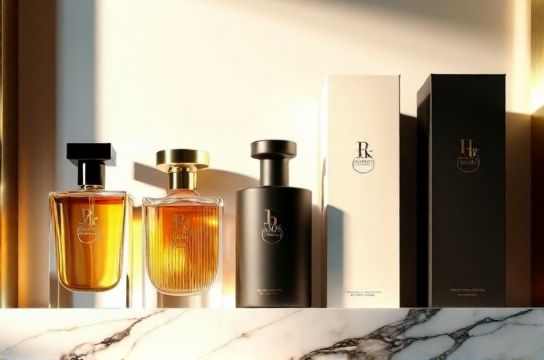
Why? Because premium glass — think thick-walled, lead-free crystal (e.g., Ardagh’s UltraClear™), UV-protective amber or cobalt variants, and custom-molded silhouettes — delivers three non-negotiables: sensory authority, functional integrity, and shelf differentiation.
Take perfume: volatile top notes degrade 40% faster under standard clear glass vs. UV-filtering borosilicate (IFRA-compliant testing, 2022). Meanwhile, spirits like Macallan or Hennessy invest $3.20–$7.80 per bottle in bespoke glass — nearly 3× industry average — precisely because consumers equate weight, clarity, and tactile precision with provenance.
Here’s how top-tier players break down their investment:
| Brand Category | Avg. Glass Cost / Unit | Weight (g) | UV Protection Level | Recyclability Rate |
|---|---|---|---|---|
| Luxury Perfume (e.g., Creed, Byredo) | $4.10–$9.60 | 280–420 | 99.8% (amber/cobalt) | 92% (post-consumer recycled content: 25–40%) |
| Premium Whisky/Cognac | $3.20–$7.80 | 510–760 | 95% (green/bronze) | 88% (recycled content: 30–50%) |
| Mass-Market Fragrance | $0.75–$1.40 | 120–190 | 0–20% | 63% (low recycled content, high landfill leakage) |
Notice the pattern? It’s not about extravagance — it’s physics, perception, and psychology converging. Heavier glass slows oxidation. UV-blocking preserves aromatic integrity. And yes — that satisfying *clink* when two bottles touch? Neuroscientific studies (Journal of Consumer Psychology, 2021) confirm it triggers dopamine release linked to premium attribution.
Crucially, sustainability is no longer optional: 74% of HNWIs refuse to pay premium for non-recyclable luxury packaging (Bain & Co., 2024). That’s why forward-looking brands now pair ultra-premium glass with closed-loop sourcing — like Moët Hennessy’s 2025 target of 100% rPET caps + 45% PCR glass.
If you’re building a luxury brand — whether launching an artisanal gin or a signature scent — never outsource your bottle decision to procurement. Treat it like your logo: silent, structural, unforgettable. And if you want actionable benchmarks, cost models, or supplier vetting frameworks, start here — we’ve mapped every certified Tier-1 glass partner across Europe, Japan, and North America.