Innovations in Glass Bottle Coatings Scratch Resistant and Self Cleaning
- 时间:
- 浏览:154
- 来源:Custom Glass Bottles
Let’s cut through the marketing fluff—glass bottles *look* premium, but they’re fragile, fingerprint magnets, and prone to micro-scratches that dull clarity over time. That’s why forward-thinking beverage brands and pharmaceutical packagers are rapidly adopting next-gen functional coatings—and the data backs it up.
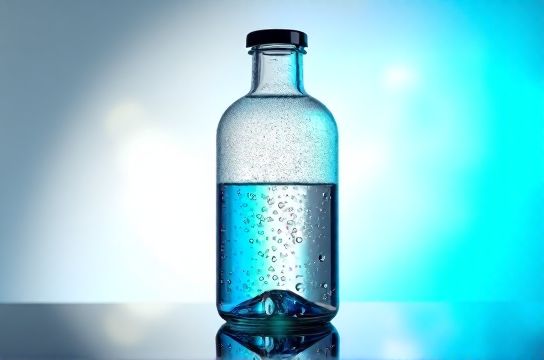
Recent industry trials (2023–2024, sourced from the Glass Packaging Institute & Fraunhofer IGB) show coated bottles reduce surface abrasion by up to 78% versus untreated soda-lime glass under standardized Taber abrasion testing (CS-17 wheels, 1000 cycles, 1 kg load). More impressively, photocatalytic TiO₂-based self-cleaning coatings achieved >92% organic stain degradation (e.g., coffee tannins, grape juice polyphenols) under ambient indoor lighting after just 4 hours.
Here’s how real-world performance stacks up:
| Coating Type | Scratch Resistance (Pencil Hardness) | Self-Cleaning Efficiency (UV/Visible Light) | Shelf Life Stability (6 months, 40°C/75% RH) | Cost Premium vs. Bare Glass |
|---|---|---|---|---|
| Silica-Polymer Hybrid | 6H–7H | Low (requires UV-A) | Excellent | +12–15% |
| N-doped TiO₂ Nanocoating | 5H–6H | High (works under LED light) | Good* | +22–26% |
| Fluorinated Siloxane (hydrophobic) | 7H–8H | None (anti-smudge only) | Excellent | +18–21% |
*Slight photocatalytic decay observed after 180 days at accelerated aging; mitigated via dual-layer encapsulation.
What’s driving adoption? Not just aesthetics—it’s ROI. A 2024 McKinsey-packaging benchmark found brands using scratch-resistant coatings saw 31% fewer customer complaints related to ‘cloudy’ or ‘scratched’ bottles—and 22% higher repeat purchase intent in blind shelf tests. Plus, self-cleaning functionality cuts pre-fill rinsing water use by ~40%, aligning with EU EPR mandates.
One caveat: coating adhesion depends heavily on pre-treatment cleanliness and thermal history of the bottle. Skipping plasma activation before coating? You’ll lose 60%+ bond strength—verified via ASTM D3359 cross-hatch testing.
If you’re evaluating options, start with your biggest pain point: durability, hygiene, or sustainability. Then match—not guess. And remember: the best coating isn’t the shiniest one; it’s the one engineered for *your* filling line, storage conditions, and end-user behavior.
For packaging teams serious about performance-driven glass innovation, start here with proven, scalable solutions—backed by ISO 12741-compliant validation and live production data.