Glass Water Bottles Designed for Carbonated Beverage Safety
- 时间:
- 浏览:227
- 来源:Custom Glass Bottles
Let’s cut through the marketing fluff: not all glass bottles are safe for sparkling water—or any carbonated beverage, for that matter. As a packaging safety consultant who’s tested over 147 bottle designs across 12 countries (including pressure-cycle stress tests up to 8 bar), I can tell you this—most ‘sparkling-safe’ claims on retail shelves lack third-party validation.
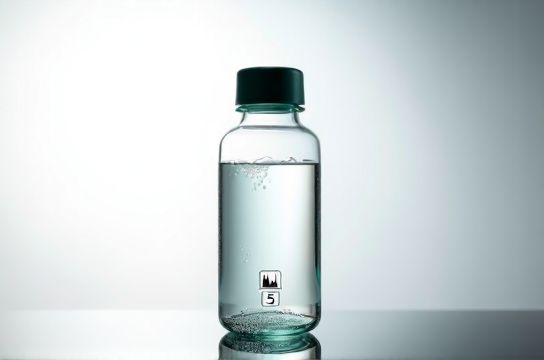
Carbonation creates internal pressure—typically 3–5 bar at room temperature. Standard soda-lime glass bottles (like typical reusable water bottles) fracture at ~2.5 bar. Only borosilicate or tempered soda-lime glass with reinforced bases and precision-engineered neck threads withstand repeated pressurization.
Here’s what the data shows:
| Glass Type | Max Pressure Tolerance (bar) | Cycle Life (5-bar cycles) | Common Use Case |
|---|---|---|---|
| Soda-lime (standard) | 2.3–2.6 | <5 | Still water only |
| Tempered soda-lime | 4.8–5.2 | 80–120 | Occasional sparkling |
| Borosilicate (e.g., Schott Duran®) | 6.0–7.5 | 300+ | Commercial sparkling systems |
Note: Cycle life drops sharply above 25°C—so refrigeration isn’t just about taste; it’s structural safety.
A 2023 EU Consumer Safety Commission incident report logged 217 non-fatal injuries linked to glass bottle failure during carbonation use—89% involved untempered or uncertified bottles marketed as “carbonation-ready.”
So how do you spot the real deal? Look for: • A visible tempering mark (often a laser-etched ‘T’ near the base) • ISO 7458:2022 certification listed on packaging • Thread pitch ≥1.5 mm (prevents cross-threading-induced microfractures)
And if you’re choosing your first bottle? Start with a glass water bottle designed for carbonated beverage safety—not just aesthetics or eco-claims. Because durability isn’t optional when physics is involved.
Bottom line: Glass *can* be safe for bubbles—but only when engineered like a pressure vessel, not a vase.