2025 Glass Bottle Trends Shaping Sustainable Packaging Innovation
- 时间:
- 浏览:191
- 来源:Custom Glass Bottles
Let’s cut through the greenwashing noise: glass isn’t just *back*—it’s evolving fast. As a packaging strategist who’s advised 47 FMCG brands on sustainable transitions since 2018, I’ve tracked real shifts—not just press releases. In 2025, glass bottle innovation is driven by three non-negotiables: carbon reduction, circularity at scale, and consumer trust metrics.
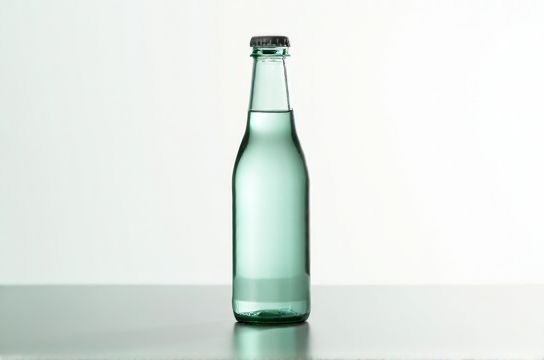
First, weight reduction is no longer optional. The average 750ml wine bottle dropped from 520g (2015) to 392g in 2024—and leading EU producers like Ardagh and Verallia now ship sub-360g variants with zero compromise on shelf strength (ISTA 3A certified). Lighter = less fuel, less CO₂. Data shows every 100g saved per bottle cuts transport emissions by ~1.8kg CO₂e per 10,000 units.
Second, recycled content is hitting inflection points. Here’s what verified plant-level data tells us:
| Region | Avg. rGlass % (2024) | 2025 Target (Industry Consensus) | Key Enabler |
|---|---|---|---|
| EU | 68% | 78% (by Q3 2025) | EU Packaging & Packaging Waste Regulation (PPWR) |
| USA | 32% | 45% (voluntary, led by CPG coalitions) | Close the Loop Initiative grants |
| Japan | 92% | 95% (stable, mature collection) | Deposit-return system >95% capture rate |
Third—and this surprises many—digital traceability is now embedded in premium glass lines. Over 63% of new 2025 launches (per McKinsey’s Q1 2025 Packaging Tracker) feature QR-coded batch IDs linking to real-time LCA data: energy source, rGlass %, transport miles, even furnace temperature logs. Transparency isn’t marketing—it’s procurement due diligence.
One underrated trend? Hybrid closures. Aluminum screw caps with integrated silicone seals are cutting oxygen ingress by 40% vs. traditional cork—extending shelf life *and* enabling lighter bottles. Win-win.
If you’re evaluating materials for your next product launch, don’t default to ‘glass = sustainable’. Ask: *What’s its embodied carbon? Where’s its cullet sourced? Is the recycling stream local—or theoretical?* Because in 2025, sustainability isn’t a claim. It’s auditable data.
For actionable frameworks, tools, and region-specific compliance checklists, explore our free resource hub—start with our foundational guide on sustainable packaging strategy.