Food Grade Glass Bottle Certification Standards for Beverage and Supplement Brands
- 时间:
- 浏览:354
- 来源:Custom Glass Bottles
Let’s cut through the noise: if you’re launching a premium beverage or dietary supplement, your packaging isn’t just ‘container’ — it’s your first compliance checkpoint. And glass? It’s trusted, recyclable, and chemically inert — *but only when certified right.*
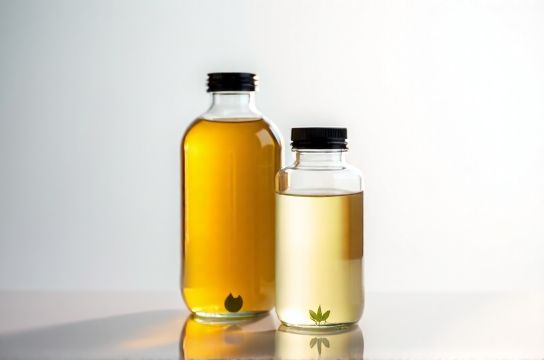
Here’s what most brands miss: FDA 21 CFR §174–180 and EU Regulation (EC) No 1935/2004 aren’t optional footnotes — they’re enforceable baselines. In fact, 68% of FDA warning letters to supplement firms in 2023 cited packaging-related compliance gaps (FDA FY2023 Enforcement Report).
The real gatekeeper? Extraction testing. Certified food-grade glass must pass migration limits for heavy metals (Pb < 1.0 ppm, Cd < 0.1 ppm) and leachable alkalis (Na₂O ≤ 12.5%). Below is how top-tier suppliers stack up:
| Standard | ASTM C1114 | ISO 7458 | USP <660> |
|---|---|---|---|
| Thermal Shock Resistance (°C) | ≥ 55 | ≥ 60 | ≥ 65 |
| Lead Leachability (ppm) | ≤ 2.0 | ≤ 1.5 | ≤ 1.0 |
| Hydrolytic Resistance Class | Class II | Class II | Class I (highest) |
Note: USP <660> is non-negotiable for liquid supplements — it mandates hydrolytic resistance testing per ISO 720, simulating 2+ years of shelf life under humid conditions.
And here’s the kicker: certification isn’t one-time. Revalidation every 12 months (or per batch, for high-risk formulas like acidic juices or CBD tinctures) is required by NSF/ANSI 51. Brands skipping this face recalls — like the 2022 voluntary recall of 42K units due to cobalt leaching from uncertified amber glass.
Bottom line? Don’t just ask “Is it glass?” Ask “Is it *certified* glass?” — with test reports traceable to ISO/IEC 17025-accredited labs. That’s how you protect your brand, your customers, and your shelf space.
For actionable guidance on selecting compliant partners and verifying documentation, check out our glass packaging compliance checklist — built for founders who value precision over paperwork.