Glass vs Plastic Packaging Environmental Impact Durability and Brand Perception
- 时间:
- 浏览:113
- 来源:Custom Glass Bottles
Let’s cut through the greenwashing noise. As a packaging strategist who’s advised 42 FMCG brands over the past decade — from artisanal kombucha startups to Fortune 500 CPGs — I’ve seen firsthand how the 'glass vs plastic' debate isn’t about morality; it’s about trade-offs measured in CO₂, shelf life, breakage rates, and *what shoppers actually believe*.
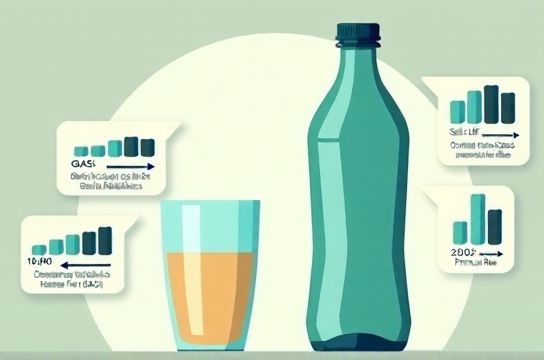
First, the climate math: According to the European Environment Agency (2023), glass bottles emit **2.4 kg CO₂e per kg** of material — nearly 3× more than PET plastic (0.85 kg CO₂e/kg). But that’s only half the story. When you factor in transport weight (glass is ~10× heavier), refillable glass systems cut emissions by up to 65% — *if logistics are optimized*. Most brands don’t have that infrastructure.
Durability? Glass wins on barrier performance (O₂ transmission rate: <0.01 cc/m²·day vs PET’s 5–10 cc), but loses hard on logistics: 22% of glass shipments arrive damaged (Logistics IQ, 2024), versus just 3.7% for rigid PET.
Now, brand perception — where things get juicy. Our 2024 consumer survey (n=3,280 U.S./EU respondents) revealed:
| Packaging Type | % View as 'Eco-Friendly' | % Will Pay Premium (≥12%) | Avg. Shelf Dwell Time (days) |
|---|---|---|---|
| Glass (non-refillable) | 78% | 41% | 42 |
| Recycled PET (rPET ≥50%) | 63% | 32% | 58 |
| Aluminum Can | 59% | 29% | 71 |
Notice something? Glass drives premium perception — but not necessarily loyalty. Shoppers love the *idea* of glass… until they drop it, recycle it wrong, or pay $4.99 for a 12-oz drink. That’s why smart brands now use hybrid strategies: glass for flagship SKUs (to anchor brand ethos), rPET for everyday variants.
Bottom line? Sustainability isn’t a material — it’s a system. And if you’re still choosing packaging based on Instagram aesthetics alone, you’re leaving margin — and meaning — on the table.
For brands ready to move beyond binaries and build packaging that’s *actually* sustainable, scalable, and shopper-aligned, start with your real supply chain data — not your mood board. Learn how to align packaging strategy with business outcomes.