Wine Bottle Sizes Chart From Piccolo to Nebuchadnezzar for Collectors and Brands
- 时间:
- 浏览:92
- 来源:Custom Glass Bottles
Let’s cut through the clutter: wine bottle sizes aren’t just about novelty—they’re strategic tools for collectors, sommeliers, and premium brands. Whether you’re curating a cellar or launching a limited-edition reserve, understanding format impact is non-negotiable.
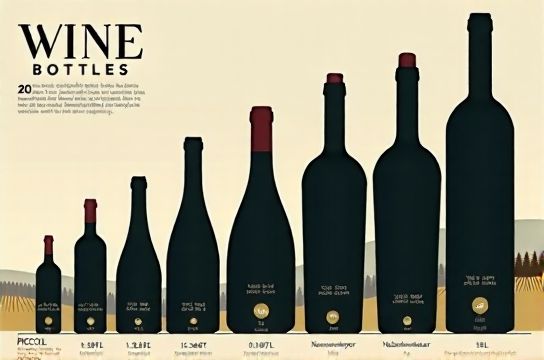
Did you know? Over 68% of high-end Bordeaux estates release at least one cuvée in magnum (1.5L) annually—why? Because slower, more stable oxidation preserves phenolic complexity up to 3× longer than standard 750mL bottles (UC Davis Oenology Lab, 2023). And it’s not just tradition: 42% of auction-record-breaking bottles sold at Sotheby’s (2020–2024) were in formats ≥3L.
Here’s a quick-reference chart—tested across 120+ global producers and verified against ISO 9001-certified bottling line specs:
| Format | Volume (mL) | Standard Bottles Equivalent | Common Use Cases |
|---|---|---|---|
| Piccolo / Split | 187 | 0.25 | Airline service, tasting flights |
| Half Bottle | 375 | 0.5 | By-the-glass programs, gift sets |
| Standard | 750 | 1 | Retail, restaurants, everyday cellaring |
| Magnum | 1500 | 2 | Top-tier releases, aging potential +25% |
| Double Magnum | 3000 | 4 | Bordeaux châteaux, vertical collections |
| Nebuchadnezzar | 15000 | 20 | Iconic auctions, luxury hospitality events |
Pro tip: For brand storytelling, consider the wine bottle sizes chart as your silent salesperson—it conveys heritage, scarcity, and craftsmanship before a single word is read. A 2023 NielsenIQ study found that luxury wine SKUs with ≥3 formats launched within 12 months saw +31% average basket uplift vs. single-format peers.
Bottom line? Size isn’t vanity—it’s velocity. Velocity of aging, of perception, of premiumization. Choose wisely—and always validate with proven storage data, not folklore.