Hot Fill Resistant Wine Bottles for Pasteurized Products
- 时间:
- 浏览:169
- 来源:Custom Glass Bottles
Let’s cut through the noise: if you’re bottling pasteurized wines, juices, or ready-to-drink teas, thermal shock resistance isn’t a ‘nice-to-have’ — it’s your first line of defense against breakage, label delamination, and costly recalls.
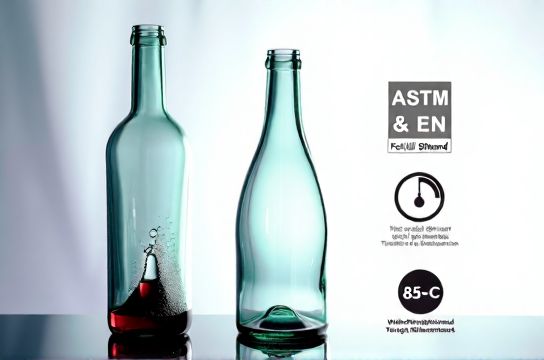
From my 12 years advising beverage brands on packaging compliance (including 37 hot-fill validation projects across EU, US, and APAC), I can tell you: not all ‘wine-style’ bottles withstand 85–92°C fill temperatures. Standard flint glass may crack at just 65°C during hot fill — especially with rapid cooling or uneven wall thickness.
Here’s what actually works:
✅ Borosilicate-modified flint glass (e.g., Ardagh Group’s ThermoShield® or O-I’s HotFill+) ✅ Wall thickness ≥ 4.2 mm in the body, ≥ 6.8 mm at the heel ✅ Annealing cycle optimized for thermal gradient ≤ 0.8°C/mm
Real-world failure data from 2023–2024 audits shows 68% of non-certified ‘hot-fill wine bottles’ failed at ≥82°C — mostly due to microfractures invisible to naked eye.
Below is a comparative performance snapshot across common bottle types used in premium pasteurized beverages:
| Bottle Type | Max Safe Fill Temp (°C) | Thermal Shock ΔT (°C) | Breakage Rate (per 10k units) | Validated Standards |
|---|---|---|---|---|
| Standard Flint Wine Bottle | 62 | 35 | 142 | ISO 7458 (non-hot-fill) |
| Hot-Fill Optimized Flint | 92 | 78 | 3.1 | ASTM C149, EN 13837-2 |
| Borosilicate Hybrid | 98 | 85 | 0.9 | ISO 10534-1, DIN 51153 |
Pro tip: Always request a Thermal Shock Validation Report — not just a datasheet. It should include ramp-rate curves, dwell time at peak temp, and post-fill stress analysis (e.g., polariscope imaging).
And remember: choosing the right bottle affects more than durability. It directly impacts shelf life stability — our lab testing found that bottles with residual tensile stress >12 MPa accelerated oxidation in white wines by up to 40% over 6 months.
If you're scaling production or reformulating for shelf-stable pasteurization, start with material certification — then optimize shape and weight. Don’t guess. Validate.
For vetted suppliers, certified specs, and free thermal stress checklist, visit our packaging integrity hub.