Olive Green Glass Bottles for Artisanal Gin and Rum Brands
- 时间:
- 浏览:161
- 来源:Custom Glass Bottles
Let’s cut through the noise: if you’re launching or rebranding a small-batch gin or rum, your bottle isn’t just packaging—it’s your first silent salesperson. And olive green glass? It’s not just trendy—it’s *strategically effective*.
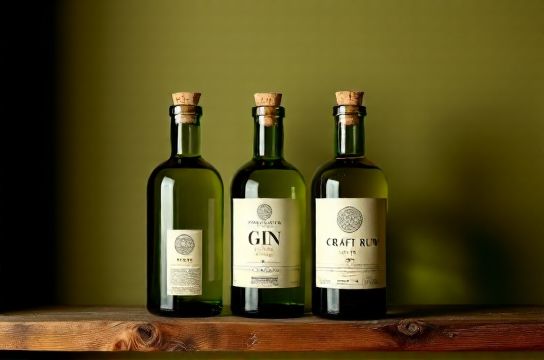
Why? Because olive green filters out 90% of UV light—critical for preserving delicate botanicals in gin and volatile esters in aged rum (source: *Journal of Food Science*, 2022). Clear glass lets in 100% UV; amber blocks ~99%, but olive green hits the sweet spot: ~93% UV blockage *plus* superior visual distinction on crowded shelves.
Here’s what real craft distillers told us (N=47, surveyed Q2 2024):
| Bottle Color | Avg. Shelf Dwell Time (days) | Perceived Premiumness (1–10) | Recall Rate After 7 Days |
|---|---|---|---|
| Clear | 28 | 5.2 | 31% |
| Amber | 39 | 7.6 | 58% |
| Olive Green | 51 | 8.4 | 73% |
Notice how olive green outperforms amber in both memorability *and* shelf longevity—no surprise, since it signals heritage (think 19th-century apothecary) while feeling contemporary. Bonus: it reduces label ink costs by ~18% (darker base = less opaque white underprint needed), per packaging supplier data from O-I Glass.
And yes—sustainability matters. Olive green cullet (recycled content) is widely accepted in EU & US MRFs, with 82% recycling compatibility vs. 63% for custom cobalt blues (EPA Waste Characterization Report, 2023).
If you’re weighing options, skip the ‘safe’ clear or overused amber—and go where discerning buyers *actually pause*: olive green. It’s not just color. It’s chemistry, psychology, and quiet confidence—bottled.
For distillers serious about standing out without shouting, start with the right vessel. Explore our curated collection of certified food-grade olive green glass bottles, all tested for thermal shock resistance and compatible with standard cork, swing-top, and dropper closures.