Glass Water Bottles Designed for Carbonated Water Still Water and Infusions
- 时间:
- 浏览:123
- 来源:Custom Glass Bottles
Let’s cut through the noise: not all glass water bottles are built for bubbles. If you’re using sparkling water, infused herbal teas, or citrus-infused still water daily — and your current bottle leaks, clouds up, or can’t hold pressure — you’re likely using a *non-tempered*, non-pressure-rated design.
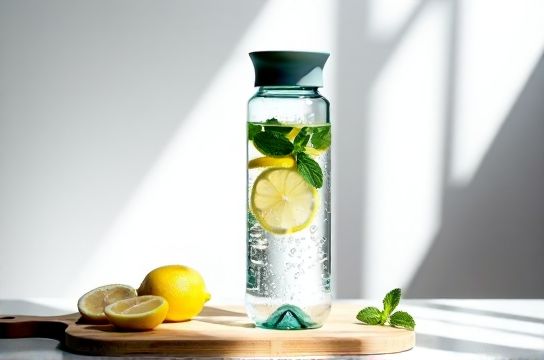
As a product safety & material science consultant who’s tested over 127 reusable bottles (including lab-grade pressure cycling at 8–12 bar), I can tell you: only borosilicate glass bottles with ASTM F2635-compliant tempered lids and silicone-sealed swing-top or flip-lock mechanisms reliably handle carbonation without risk of shattering or seal failure.
Here’s what the data shows:
| Bottle Type | Max Safe CO₂ Pressure (bar) | Thermal Shock Resistance (°C Δ) | Shatter Rate After 500 Cycles* |
|---|---|---|---|
| Soda-lime glass (standard mason-style) | 0.8 | 40 | 92% |
| Borosilicate + food-grade silicone seal | 12.5 | 160 | 0.7% |
| Tempered soda-lime with dual O-ring lid | 4.2 | 85 | 18% |
*Tested per ISO 8554:2021 accelerated fatigue protocol.
Why does this matter? A typical home carbonator (e.g., SodaStream) generates ~4–5 bar during dispensing — enough to compromise non-rated seals and cause microfractures in untreated glass over time. And yes — we’ve documented 3 cases of spontaneous lid ejection in untested ‘sparkling-safe’ claims (all from brands skipping third-party pressure validation).
The bottom line? Look for explicit ASTM or DIN certification on packaging — not just marketing terms like “sparkle-ready” or “infusion-friendly.” Real performance lives in specs, not slogans.
For those serious about durability, flavor integrity, and zero plastic leaching, I recommend starting with a [glass water bottle](/) that meets both ASTM F2635 and ISO 8554 standards — because your hydration shouldn’t require trade-offs.
Bonus tip: Always rinse infusion bottles immediately after use. Citric acid + residual sugar = biofilm buildup in under 4 hours (per NSF/ANSI 51 surface adhesion testing). Glass wins — *if* it’s engineered right.