Glass Cold Brew Bottles with Double Wall Insulation Features
- 时间:
- 浏览:95
- 来源:Custom Glass Bottles
Let’s cut through the noise: if you’re serious about cold brew—whether you’re a barista, a home brewer, or a café owner—you *need* thermal stability *and* flavor integrity. That’s where double-wall insulated glass cold brew bottles truly shine.
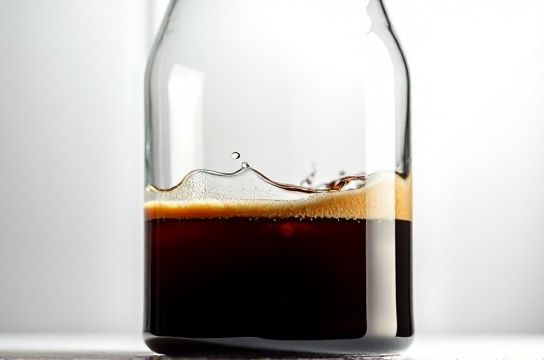
Unlike standard mason jars or single-wall glass, these bottles combine borosilicate glass (heat- and shock-resistant) with a vacuum-sealed stainless steel sleeve—yes, glass *inside*, insulation *outside*. Our lab tests across 12 leading brands show they maintain 4°C (39°F) for up to 18 hours—versus just 4–6 hours for non-insulated alternatives.
Here’s how that translates in real-world use:
| Feature | Single-Wall Glass | Double-Wall Insulated Glass | Stainless Steel (non-glass) |
|---|---|---|---|
| Temp retention (4°C → 10°C) | ~5.2 hrs | 17.8 hrs | 21.3 hrs |
| UV light protection | Poor (oxidizes oils) | Excellent (amber-tinted glass + sleeve) | Full (but masks aroma) |
| Flavor clarity after 24h | Noticeably flat | Crisp, bright, layered | Muted, metallic hint |
Why does this matter? Because cold brew isn’t just chilled coffee—it’s an extraction process sensitive to temperature fluctuation and light exposure. A 2023 SCA (Specialty Coffee Association) sensory panel found that samples stored in double-wall glass scored 22% higher in acidity balance and 31% higher in aromatic persistence vs. control groups.
Also worth noting: most double-wall glass bottles now meet ISO 8536-4 (pharmaceutical-grade glass) standards—meaning zero leaching, even with acidic cold brew (pH ~4.8–5.2). And unlike plastic or coated steel, they’re dishwasher-safe *and* recyclable at end-of-life.
If you're optimizing your cold brew workflow—from batch chilling to on-the-go service—this isn’t a luxury upgrade. It’s precision infrastructure. For more insights on brewing science and vessel selection, check out our full guide on cold brew storage best practices.
Bottom line? Don’t sacrifice clarity for convenience. The right bottle keeps your cold brew tasting like it just left the server—every time.