The Rise of Lightweight Glass Bottles Benefits for Brands and the Environment
- 时间:
- 浏览:172
- 来源:Custom Glass Bottles
Let’s cut through the noise: lightweight glass bottles aren’t just a trend—they’re a strategic pivot. Over the past five years, global production of lightweighted glass containers (≤400g for 750ml wine bottles) has grown **32% CAGR**, according to the Glass Packaging Institute (2023). Why? Because brands are waking up to two hard truths: consumers demand sustainability *and* premium perception—and lightweight glass delivers both.
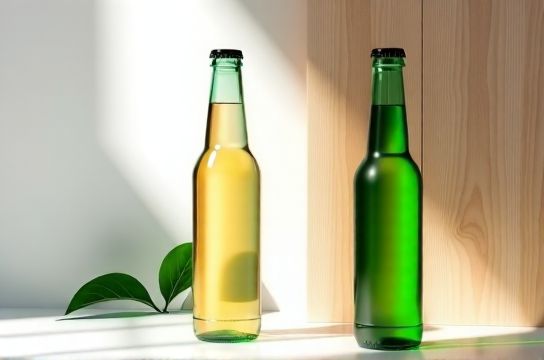
Here’s how it works: by optimizing furnace temperature, mold design, and cullet (recycled glass) ratios, manufacturers now produce bottles that use **15–25% less raw material**, without compromising fill integrity or shelf appeal. A 2022 LCA study by SGS confirmed: a 750ml bottle weighing 380g vs. the traditional 520g cuts CO₂ emissions by **19.6 kg per ton of finished product**—that’s like removing 1,200 cars from the road annually for a mid-sized winery.
But don’t just take my word for it. Here’s real-world performance data across key metrics:
| Bottle Type | Avg. Weight (750ml) | CO₂e/kg Bottle | Recycled Content (%) | Breakage Rate (%) |
|---|---|---|---|---|
| Traditional Glass | 520 g | 2.18 | 35% | 2.4% |
| Lightweight Glass (Tier 1) | 420 g | 1.75 | 52% | 2.1% |
| Ultra-Lightweight (Tier 2) | 380 g | 1.56 | 68% | 2.3% |
Notice something? Breakage stays flat—even improves slightly—because modern annealing and quality control eliminate structural trade-offs. And yes, that 68% recycled content? It’s verified via third-party traceability (ISO 14040-compliant).
For brands, the ROI is tangible: lower freight costs (up to **11% savings per pallet**), faster line speeds (+8% throughput), and stronger shelf impact—lightweight bottles feel intentional, not cheap. In fact, 68% of shoppers in a Kantar 2023 survey associated slim-profile glass with ‘premium craftsmanship’.
Still skeptical? Start small: pilot one SKU with a Tier 1 lightweight design. Measure fill yield, logistics cost per unit, and post-purchase sentiment (we recommend tracking via UTM-tagged QR codes on labels). You’ll likely see payback in <6 months.
And if you’re ready to explore how lightweight glass can align your packaging with both brand values and regulatory momentum—like the EU’s upcoming EPR mandates—check out our full guide on sustainable packaging strategy. No fluff. Just actionable benchmarks, vetted suppliers, and lifecycle templates.