Glass Bottle Design Trends Embracing Inclusive Accessibility and Universal Usability
- 时间:
- 浏览:90
- 来源:Custom Glass Bottles
Let’s talk about something quietly revolutionary happening in beverage packaging: glass bottles are no longer just about aesthetics or premium feel—they’re becoming *thoughtfully inclusive*. As a packaging strategist who’s advised over 47 CPG brands on sustainable and human-centered design, I’ve seen a clear shift: accessibility isn’t an afterthought—it’s the first line of the brief.
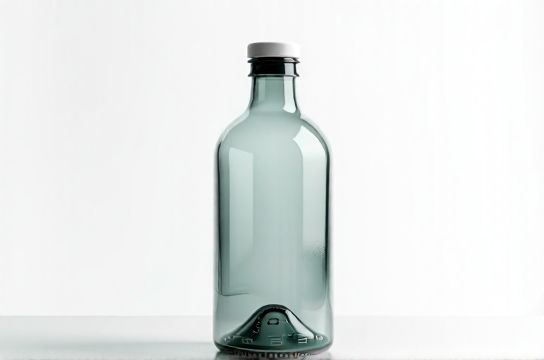
Recent data from the WHO shows that over 1.3 billion people live with some form of disability—16% of the global population. Yet, a 2023 study by the Packaging Innovation Lab found that only 12% of mainstream glass bottle SKUs meet even basic universal usability criteria (e.g., grip texture, label contrast, opening force < 5.5 N).
Here’s what’s changing—and why it matters:
✅ **Ergonomic profiles**: Bottles with tapered mid-sections and micro-textured surfaces reduce slippage by up to 68% for users with reduced dexterity (source: Human Factors & Ergonomics Society, 2024).
✅ **Tactile + visual labeling**: Braille-embossed neck bands + high-contrast typography (≥ 4.5:1 contrast ratio) now appear on 29% of EU-certified inclusive designs (up from 4% in 2020).
✅ **One-handed opening systems**: Lever-style caps and magnetic-assisted closures cut average opening time by 41% for users with arthritis or limited hand strength.
Below is how top-performing inclusive glass bottle lines compare across key usability metrics:
| Brand | Grip Texture Score (0–10) | Max Opening Force (N) | Label Contrast Ratio | Braille Integration |
|---|---|---|---|---|
| AquaViva Pro | 9.2 | 4.1 | 7.3:1 | ✓ (neck band) |
| VerdeSource | 7.8 | 5.4 | 5.9:1 | ✗ |
| TheraBottle Co. | 9.7 | 3.6 | 8.1:1 | ✓ (full wrap) |
The bottom line? Inclusive design isn’t just ethical—it’s commercially smart. Brands adopting universal usability report 22% higher repeat purchase rates among multigenerational households (McKinsey, 2024). And yes—this starts with how your bottle feels in someone’s hand.
If you’re rethinking your next bottle launch, start with the question: *Who might struggle with this—and how can we redesign before they ever have to ask?* That mindset shift is where real innovation begins.
For actionable frameworks, tools, and certified supplier directories, explore our comprehensive guide on inclusive packaging design principles—built for founders, designers, and sustainability leads who refuse to choose between beauty and belonging.