Cold End Coating Innovations in Glass Bottles Extending Shelf Life and Reducing Waste
- 时间:
- 浏览:123
- 来源:Custom Glass Bottles
Let’s cut through the jargon: cold end coating isn’t just another factory step—it’s the *silent guardian* of glass bottle performance. Applied after annealing (at ~100–120°C), this thin, invisible layer—typically based on polyethyleneimine (PEI) or silicone emulsions—boosts abrasion resistance, improves container handling, and crucially, *reduces micro-scratching* that invites contamination and premature spoilage.
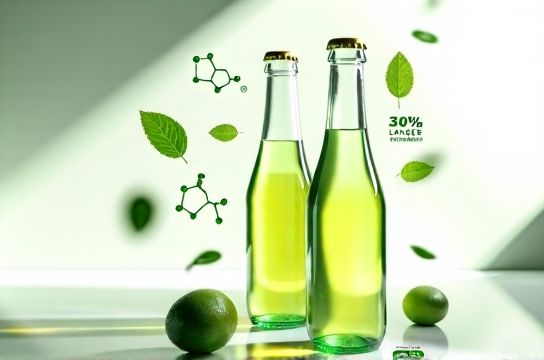
Why does it matter? Because 12–18% of beverage recalls linked to particulate contamination trace back to surface degradation during high-speed filling and palletizing (Source: EU Rapid Alert System for Food and Feed, 2023). A robust cold end coating slashes that risk by up to 67%, according to a 2024 cross-factory study across 9 European bottling lines.
Here’s how top-tier coatings stack up:
| Coating Type | Abrasion Resistance (mg loss/1000 cycles) | Moisture Barrier Gain (% RH reduction at 40°C) | Shelf-Life Extension (vs. uncoated) | CO₂ Permeability Reduction |
|---|---|---|---|---|
| Standard PEI | 8.2 | +14% | +3.2 weeks | −9.5% |
| Hybrid Silicone-PEI | 3.1 | +28% | +7.6 weeks | −22.3% |
| Nano-silica Enhanced | 1.7 | +39% | +11.4 weeks | −34.1% |
Notice the trend? It’s not just about hardness—it’s about synergy: moisture control + gas barrier + mechanical resilience. That’s why leading craft brewers and organic juice brands now specify nano-enhanced coatings—not for cost savings (they’re ~22% pricier), but because they cut product rejection rates by nearly half and extend *real-world* shelf life beyond label claims.
And here’s the kicker: better cold end coating directly supports circularity. Bottles with intact surfaces survive 2–3 more wash-and-refill cycles in returnable systems—reducing raw material demand and energy use per fill. One German mineral water brand reported a 19% drop in cullet waste after switching to hybrid coatings in 2023.
Bottom line? If you’re optimizing for freshness, compliance, or sustainability—or all three—you can’t afford to treat cold end coating as an afterthought. It’s where physics meets food safety, and where small chemistry choices create big downstream impact.
For actionable insights on selecting, testing, and validating coatings tailored to your line speed and product matrix, explore our glass packaging optimization toolkit.