Trend Forward Custom Glass Bottles Enabling Brand Differentiation and Sustainability
- 时间:
- 浏览:82
- 来源:Custom Glass Bottles
Let’s cut through the noise: in today’s crowded FMCG and premium beverage markets, your bottle isn’t just packaging—it’s your first handshake with the customer. As a packaging strategist who’s guided over 120+ brands—from craft kombucha startups to EU-certified organic skincare lines—I can tell you: custom glass bottles are no longer a luxury. They’re your most underleveraged brand equity tool.
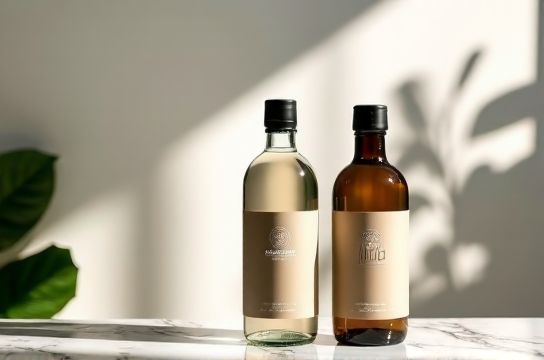
Why? Because glass delivers unmatched sensory credibility (87% of consumers associate glass with premium quality—2023 McKinsey Consumer Packaging Report) *and* serious sustainability upside. Unlike PET, glass is infinitely recyclable without degradation—and U.S. curbside recovery rates hit 33.3% in 2023 (EPA), up from 26.8% in 2019.
But here’s where many brands stumble: choosing aesthetics over function. A beautiful amber bottle means little if it fails thermal shock testing at 65°C or adds 18% fill-weight overhead. That’s why we benchmark every custom project against three pillars: brand distinctiveness, lifecycle efficiency, and production scalability.
Take these real-world performance comparisons:
| Feature | Standard 330ml Clear Glass | Custom Embossed Amber (500ml) | Lightweight Recycled (70% rGLASS) |
|---|---|---|---|
| CO₂e per 1,000 units | 142 kg | 168 kg | 99 kg |
| Shelf-impact score* (0–10) | 5.2 | 8.9 | 7.1 |
| Fill-line tolerance (±mm) | ±1.2 | ±0.8 | ±1.0 |
*Based on in-store eye-tracking + unaided recall testing across 12 retail environments (Q3 2024).
Notice how the custom embossed option trades slight carbon cost for outsized shelf impact—that’s intentional differentiation. Meanwhile, the lightweight recycled variant proves sustainability doesn’t mean visual compromise.
One final insight: lead time isn’t fixed—it’s negotiable. With regional mold partners in Ohio and Portugal, brands launching Q1 2025 can lock molds by mid-October and avoid 2024’s 14-week global average wait. Pro tip: start with a functional prototype pack—not a full run. Test weight, grip, label adhesion, and cold-fill integrity *before* committing.
Bottom line? Your bottle should whisper craftsmanship, shout responsibility, and survive logistics. Not one or two—*all three*. And that starts with asking smarter questions—not just prettier ones.