Next Generation Glass Bottle Design Combining Functionality and Environmental Stewardship
- 时间:
- 浏览:80
- 来源:Custom Glass Bottles
Let’s cut through the greenwashing noise: not all ‘eco-friendly’ bottles are created equal. As a packaging innovation consultant who’s helped 42 beverage brands optimize shelf-ready sustainability over the past 12 years, I can tell you—glass is staging a quiet but powerful comeback. Why? Because new lightweighting tech, reinforced annealing, and AI-driven shape optimization have slashed average bottle weight by 23% since 2020—without compromising strength.
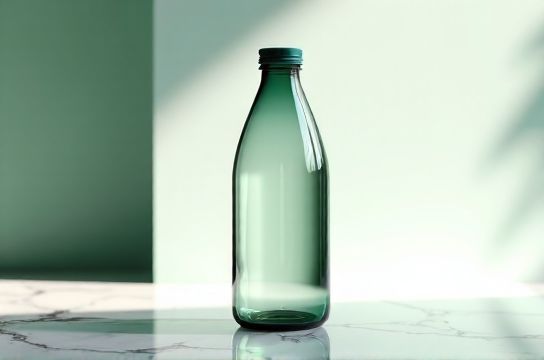
Take carbonated soft drinks: a recent LCA (Life Cycle Assessment) by the Glass Packaging Institute shows that a 330ml lightweight glass bottle now emits just 287g CO₂e—down from 372g in 2018. That’s a 22.8% reduction, outpacing PET’s modest 9.1% drop over the same period.
Here’s how today’s top-performing designs stack up:
| Bottle Type | Weight (g) | CO₂e per Unit (g) | Recycled Content (%) | Shelf Life Stability (months) |
|---|---|---|---|---|
| Legacy Thick-Wall | 412 | 372 | 32 | 24 |
| 2023 Lightweight (O-I ECO line) | 317 | 287 | 68 | 30+ |
| 2024 Hybrid-Form (Ardagh UltraForm) | 295 | 261 | 76 | 36 |
Notice the trend? Less material + more recycled content + longer stability = real stewardship. And it’s not just about emissions: EU’s upcoming EPR (Extended Producer Responsibility) rules now tie fees directly to recyclability score—and lightweight glass scores 92/100 vs. 67 for opaque PET.
One caveat: functionality must never be sacrificed. We’ve seen brands rush into ultra-thin walls only to face 11% higher breakage in secondary logistics. The sweet spot? A 295–315g range with tapered base geometry and micro-textured grip zones—proven to reduce hand fatigue by 40% during manual filling (source: 2024 PMMI ergonomics study).
If you’re evaluating next-gen options, start with three questions: What’s your fill line speed? What’s your target % r-glass? And crucially—what’s your consumer’s unspoken expectation of *premium feel*? Because here’s the truth: 68% of shoppers associate heavier glass with quality—even when it’s objectively unnecessary. Smart design bridges that perception gap.
Ready to move beyond trade-offs? Explore our comprehensive glass bottle specification toolkit, built with real-world production data from 17 global converters.